
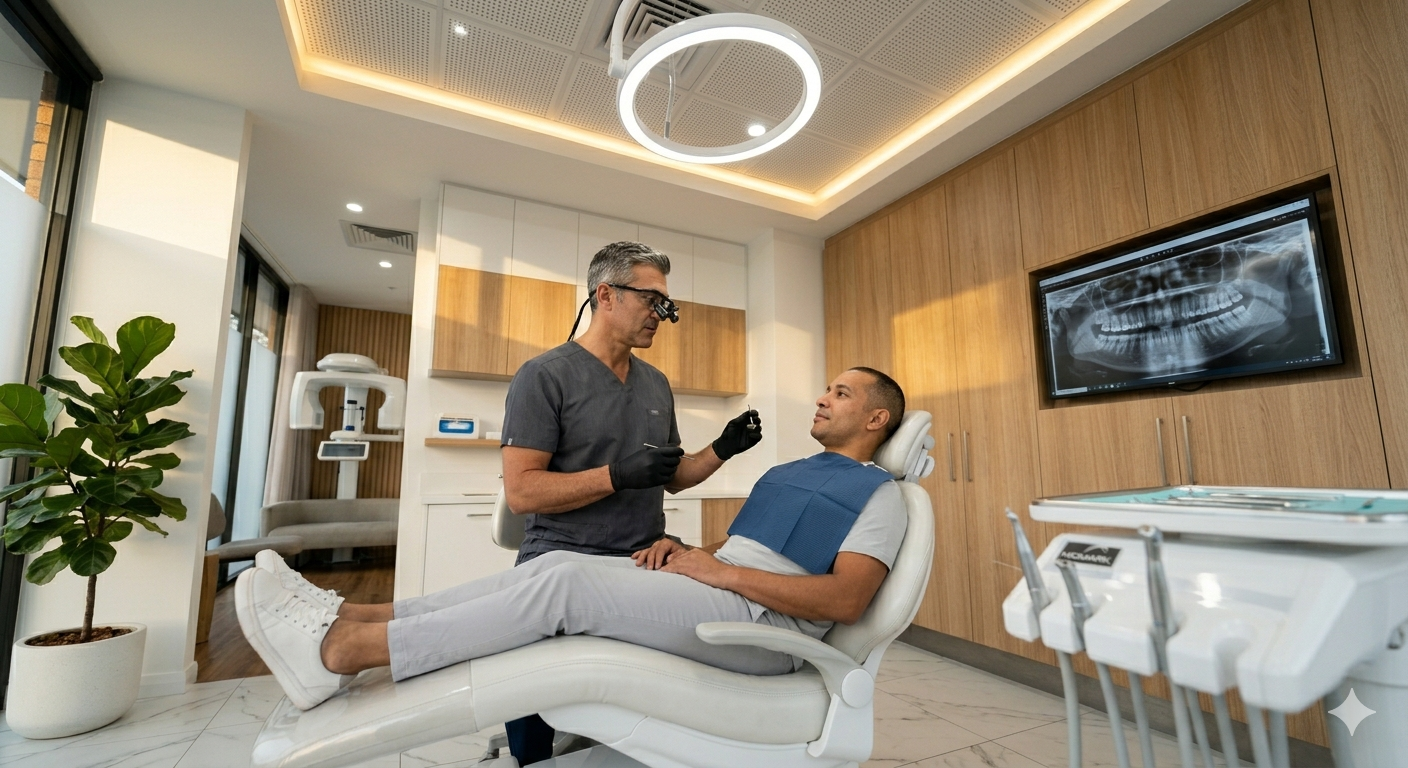
You notice the gap where a tooth used to be and want a solution that looks, feels, and functions like the real thing. Dental implants replace missing teeth by anchoring a titanium post in the jaw, then restoring a natural-looking crown, so you can smile, chew, and speak with confidence.
Dental implants offer a long-lasting, realistic tooth replacement that often preserves jawbone and nearby teeth better than bridges or dentures. This article explains how implants work, who makes a good candidate, what to expect during treatment and recovery, and how to care for implants to protect your investment.
They’ll compare implants with other options, outline types and costs, and cover common risks and practical steps you can take next. If you’re weighing tooth-replacement choices or preparing for a consultation, this guide will help you make informed decisions with a calm, expert perspective.
Understanding Missing Teeth
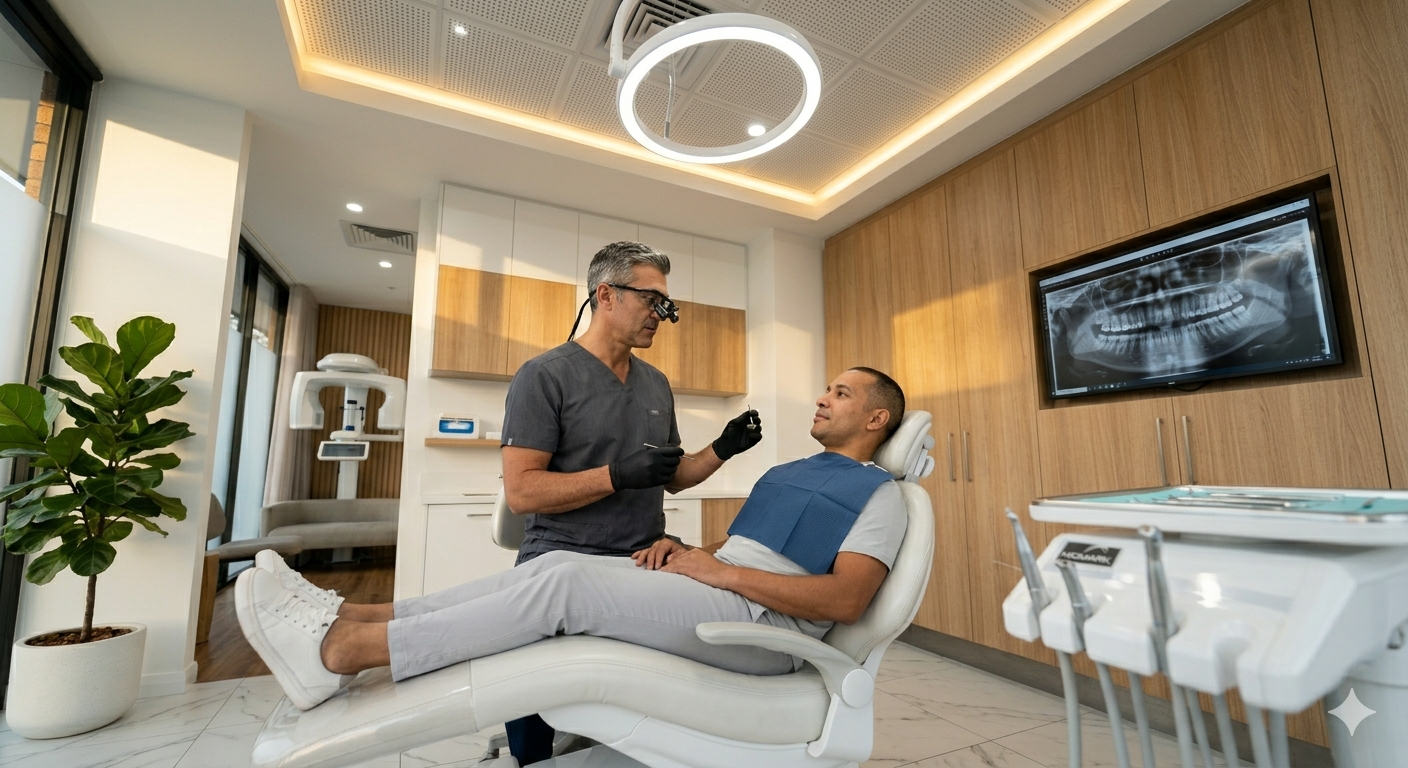
Missing teeth can change how someone eats, speaks, and smiles. They also affect jaw function and facial structure over time.
Why Tooth Replacement Matters
When a tooth is lost, adjacent teeth can tilt toward the gap and opposing teeth may over-erupt, creating misalignment that complicates chewing and cleaning. This often leads to uneven wear and increased risk of decay in the neighboring teeth.
Bone loss begins where the tooth root once stimulated the jaw. Without that stimulation, the alveolar bone resorbs, which can alter facial contours and make future restorative options more complex or costly.
Replacing teeth restores chewing efficiency and distributes bite forces correctly. Modern solutions like dental implants mimic the root’s role, preserving bone and supporting long-term oral stability, which reduces the likelihood of further tooth loss.
Effects on Oral Health
Gaps in the dental arch trap food and plaque, increasing the chance of gum disease and cavities. Periodontal inflammation near a missing-tooth site can progress faster when oral hygiene becomes more challenging.
Loss of a posterior tooth impairs chewing on that side, leading to overuse and accelerated wear of the opposite teeth. Over time, this imbalance can cause temporomandibular joint (TMJ) discomfort and changes in bite alignment.
Restorative treatment can reverse or prevent these issues. Implants and fixed bridges restore normal function, reduce plaque-retentive areas, and help maintain gum and bone health when combined with regular dental care.
Confidence and Self-Esteem
Visible gaps, especially in the front teeth, often lead to self-consciousness about smiling, speaking, and social interactions. Many people avoid photos or cover their mouth while laughing, which affects personal and professional confidence.
Speech can change after tooth loss; certain consonants require contact between tongue and teeth. Replacing teeth restores clearer articulation, reducing anxiety in conversations and presentations.
A well-fitted restoration that looks natural often improves emotional well-being. Patients frequently report restored confidence, easier social engagement, and a willingness to pursue activities they had avoided because of their teeth.
How Dental Implants Work
Dental implants replace missing teeth by anchoring a prosthetic tooth to the jawbone with a titanium or ceramic post. They restore chewing, speech, and smile aesthetics while preserving nearby teeth and bone.
Components and Materials
An implant system has three main parts: the implant fixture, the abutment, and the crown. The fixture is the screw-like post placed into the jawbone; clinicians most often use titanium for its proven strength and biocompatibility, or zirconia for metal-free needs and improved aesthetics.
The abutment connects the fixture to the crown and can be prefabricated or custom-milled to match gum shape and crown angle. Abutments come in titanium, gold alloy, or zirconia depending on strength and appearance needs.
The crown is the visible tooth replacement and is made from porcelain-fused-to-metal, full ceramic (e.g., zirconia), or resin. Crowns are fabricated for color match, bite alignment, and durability.
Clinicians also use screws or cement to attach crowns; screw-retained crowns allow easier retrieval, while cemented crowns can offer slightly better aesthetics at margin areas.
Implant Procedure Overview
First, clinicians perform a comprehensive exam with X-rays or CBCT scans to map bone volume and nerve locations. They plan implant size, angle, and position to support function and appearance.
During surgery, local anesthesia or conscious sedation is used for patient comfort. The dentist or oral surgeon makes a small incision in the gum, drills a controlled osteotomy into the bone, and places the implant fixture flush with or slightly below the bone level.
After placing the fixture, practitioners either attach a healing cap or a temporary restoration, depending on case complexity and primary stability. Some patients qualify for immediate provisional crowns, but many follow a staged approach to protect healing.
Sutures close the soft tissue; the appointment typically lasts 1–2 hours for a single implant. Post-op instructions focus on pain control, oral hygiene, and diet to reduce complications.
Healing and Osseointegration
Osseointegration is the process where bone cells grow onto the implant surface, creating a rigid biological bond. This typically takes 2–6 months in the jaw, influenced by bone quality, implant surface treatment, and patient factors like smoking or uncontrolled diabetes.
During healing, clinicians monitor integration with clinical exams and radiographs. They assess implant stability using torque tests or resonance frequency analysis to decide when to attach the final abutment and crown.
Good oral hygiene and avoiding heavy chewing on the implant during healing reduce failure risk. If bone volume is insufficient, bone grafting or sinus lift procedures may precede or accompany implant placement to ensure long-term support.
Once fully integrated, the final crown is placed, restoring full function and appearance similar to a natural tooth.
Candidacy for Treatment
Candidates for dental implants need sufficient jawbone, good oral health, and realistic expectations about timeline and maintenance. Evaluation typically includes medical history, dental imaging, and a discussion of alternatives.
Eligibility Requirements
Implant candidates must have adequate bone volume and density at the implant site. Dentists use 3D imaging (CBCT) to measure bone height and width; if bone is insufficient, procedures like bone grafting or sinus lifts can rebuild support before implant placement.
Healthy gums are essential. Active periodontal disease must be treated first because infection around an implant (peri-implantitis) increases failure risk.
Age and development matter: implants are not placed in growing adolescents; most clinicians wait until jaw growth is complete, typically late teens for girls and early twenties for boys.
Patients should understand timelines and staged care. Implant treatment can take several months from grafting to final crown, so commitment to follow-up visits and oral hygiene is required.
Health and Lifestyle Factors
Systemic conditions influence success. Controlled diabetes, osteoporosis treatment, and autoimmune disorders require coordination with a physician; uncontrolled systemic disease raises complication risks.
Smoking negatively affects healing and osseointegration. Clinicians advise quitting at least several weeks before surgery and during early healing to improve outcomes.
Medications matter. Bisphosphonates, certain anticoagulants, and immunosuppressants can alter risk profiles; the dental team will review medication lists and may consult with the prescribing doctor.
Oral hygiene and motivation predict long-term success. Patients who brush, floss, and attend professional cleanings reduce complications. Those who report trouble maintaining hygiene may need additional support or alternative tooth-replacement options.
If interested in assessment, patients are encouraged to schedule a consultation to review clinical findings, imaging, and personalized recommendations.
Comparing Tooth Replacement Options
Dental implants offer long-term stability and preserve jawbone health, while bridges and dentures trade some durability for lower upfront cost and often shorter treatment time. Consider chewing function, maintenance, aesthetics, treatment length, and impact on adjacent teeth when choosing between options.
Implants Versus Bridges
Dental implants replace both the tooth crown and root with a titanium post anchored into bone, which helps maintain bone volume and facial support. Bridges attach a false tooth to adjacent crowns, so they do not prevent bone loss at the missing-tooth site.
Implants usually last 15–25+ years with good care; bridges typically last 7–15 years and may need replacement sooner. Implants require oral surgery and several months for osseointegration; bridges often finish in 2–3 visits over a few weeks.
Choice factors:
- Preservation of adjacent teeth: Implants spare neighboring teeth; bridges require enamel reduction on support teeth.
- Cost: Bridges generally cost less up front; implants cost more initially but may be more cost-effective long term.
- Function and comfort: Implants feel and function more like natural teeth; bridges can feel slightly different and require flossing under the pontic.
Implants Versus Dentures
Implants provide fixed or implant-supported solutions that restore bite force and chewing efficiency close to natural teeth. Dentures replace an entire arch or multiple teeth and rest on gums; they can be removable and may reduce chewing efficiency.
Implant-supported overdentures use two or more implants to stabilize a denture, improving retention and comfort compared with conventional dentures. Fully fixed implant bridges require more implants and higher cost but offer the most tooth-like function.
Considerations:
- Stability: Implants and implant-retained dentures resist slipping; conventional dentures can shift, affecting speech and eating.
- Bone health: Implants stimulate bone; dentures do not and may accelerate ridge resorption over years.
- Maintenance and hygiene: Dentures need daily removal and cleaning; implants require routine brushing, flossing, and dental checkups similar to natural teeth.
If cost, treatment time, or medical conditions limit implant candidacy, removable dentures or bridges remain valid options. Patients should consult a dentist to assess bone volume, medical history, and lifestyle to determine the best plan.
Types of Dental Implants
Dental implants restore function and appearance using titanium or ceramic posts anchored in bone, combined with crowns, bridges, or prostheses. Choice depends on how many teeth are missing, bone quality, aesthetic needs, and budget.
Single Tooth Solutions
A single-tooth implant replaces one missing tooth with three parts: an implant post, an abutment, and a crown. The post fuses with the jawbone (osseointegration) to provide stability similar to a natural root, protecting adjacent teeth from being filed down.
Crowns are custom-made from porcelain or zirconia to match color, shape, and bite. The process normally takes 3–6 months from placement to final crown when bone grafting or healing is required; immediate-loading crowns are possible in select cases.
Candidates need sufficient bone and healthy gums; if bone is thin, a bone graft or sinus lift may be recommended. Risks include infection, nerve irritation, and implant failure, but success rates exceed 90% with proper planning and maintenance.
Multiple Tooth Implants
When two or more adjacent teeth are missing, implants can support individual crowns or a small bridge. Using two implants to anchor a three-unit bridge avoids modifying healthy neighboring teeth and improves chewing force distribution.
Treatment planning considers spacing, bite alignment, and lip support. Implant-supported bridges use fewer implants than individual replacements, which can reduce cost and surgery time while maintaining strength.
Bone volume and angulation matter; guided surgery and digital planning help position implants precisely. Patients with periodontal disease need treatment first; ongoing oral hygiene and regular checkups keep implants healthy.
Full Arch Restoration
Full-arch restoration replaces an entire upper or lower dental arch using 4–6 implants to support a fixed bridge or an overdenture. Options include “All-on-4/All-on-6” concepts that often avoid bone grafts by angling posterior implants.
Fixed bridges feel and function like natural teeth; implant-retained overdentures snap onto abutments and are removable for cleaning. Recovery timelines vary, but many patients receive provisional teeth the same day as surgery.
Considerations include jawbone density, facial aesthetics, and speech. Long-term maintenance involves professional cleaning of the prosthesis and routine checks. Candidates with significant bone loss may need grafting or zygomatic implants for upper-arch support.
Benefits of Choosing Implants
Dental implants preserve bone, restore chewing power, and look like natural teeth. They require routine care similar to natural teeth and often reduce future dental work compared with removable options.
Long-Term Oral Health
Dental implants anchor into the jawbone with a titanium post, which stimulates bone through biting forces. This stimulation slows or prevents the bone loss that typically follows tooth loss, helping maintain facial structure and the fit of nearby restorations.
Because implants replace the tooth root, they do not rely on adjacent teeth for support. That avoids shaving down healthy neighboring teeth as bridgework often requires, preserving more natural tooth structure over time.
Implants also reduce gaps where food and bacteria collect. With good oral hygiene and regular dental checkups, implants tend to have predictable longevity and lower risk of decay-related complications that affect teeth next to traditional bridges.
Natural Look and Feel
Implant crowns are custom-shaped and color-matched to blend with adjacent teeth. The restoration attaches to the implant so it sits at the same height and angle as a natural tooth, improving symmetry and smile aesthetics.
Patients commonly report that implants feel more like natural teeth than removable dentures. Because implants are fixed, they offer stable contact with opposing teeth, reducing slippage and the conscious sensation of a foreign appliance while speaking or eating.
Advanced materials and digital planning allow clinicians to reproduce tooth translucency and surface texture. That combination produces a restoration that not only looks natural at a glance but also reflects light similarly to surrounding teeth.
Improved Function
Implants restore up to 90–100% of natural biting force in many cases, allowing patients to eat harder or chewier foods they might avoid with dentures. This capability supports better nutrition and meal enjoyment.
Fixed implants eliminate common denture problems such as slipping, sore spots, and the need for adhesives. They also improve speech by maintaining proper tongue and cheek support, which helps with clarity and confidence when speaking.
Because implants engage the jawbone, they distribute chewing forces along natural pathways. This balanced load helps protect adjacent teeth and reduces uneven wear, making implants a durable functional solution for single or multiple missing teeth.
Step-by-Step Treatment Process
This section outlines the clinical steps, timing, and patient responsibilities involved in getting dental implants: what happens at the first visit, how the implant is placed and heals, and how the final crown or bridge is delivered.
Initial Consultation
The dentist begins with a focused medical and dental history to identify diabetes, smoking, or medications that affect healing. They perform a clinical exam, check gum health, and assess bite function to decide if extraction, bone grafting, or periodontal treatment is needed first.
Diagnostic imaging follows. A cone-beam CT scan measures bone volume and density at the intended site and shows nerve and sinus positions. In many practices, the scan is combined with digital impressions to create a surgical plan and, when indicated, a surgical guide.
The clinician explains options (single implant, implant-supported bridge, or overdenture), expected timeline, risks, and costs. They present anesthesia choices—local with sedation or general anesthesia for complex cases—and outline preoperative instructions such as antibiotics or smoking cessation.
A written treatment plan and informed consent conclude the visit. The plan lists procedures, estimated appointments, and payment or insurance details. This gives the patient a clear roadmap before scheduling the next step.
Implant Placement
On the surgery day, the patient arrives with preoperative instructions followed. Local anesthesia and optional conscious sedation are administered for comfort. The surgeon makes a small incision or uses a flapless approach guided by the surgical guide when bone and soft tissue allow.
Osteotomy preparation proceeds in controlled steps using sequential drills to the planned diameter and depth. The titanium implant is inserted with measured torque and, when necessary, supplemented with bone graft material around gaps. Immediate temporary restorations may be placed if primary stability meets criteria.
Postoperative care focuses on pain control, swelling management, and infection prevention. Typical instructions: soft diet for 1–2 weeks, avoid smoking, use saline rinses after 24 hours, and take prescribed antibiotics or analgesics. A follow-up visit at 7–14 days checks soft tissue healing and suture removal.
Healing time for osseointegration usually ranges from 8 to 16 weeks depending on bone quality and implant location. During this period, the patient attends periodic checks and avoids loading the implant unless the protocol called for immediate loading.
Final Restoration
After confirming osseointegration clinically and radiographically, the clinician exposes the implant if it was submerged, then places a healing abutment to shape the gum tissue for the emergence profile. Tissue maturation typically takes 1–3 weeks.
The lab process begins with precise digital or analog impressions. The technician fabricates the final crown, bridge, or overdenture on an implant abutment chosen for strength, esthetics, and soft-tissue support. Materials commonly used include zirconia or porcelain-fused-to-metal depending on esthetic and functional needs.
At the delivery appointment, the dentist checks fit, occlusion, contact points, and smile line. They adjust bite forces and cement or screw-retain the prosthesis. The patient receives instructions on oral hygiene specific to implants—interproximal brushes, floss threaders, or water flossers—and a recall schedule for professional maintenance.
Long-term success depends on plaque control, routine hygiene visits every 3–6 months as recommended, and avoiding habits that overload the implant such as bruxism or chewing hard objects. The team encourages questions and schedules follow-ups to monitor function and tissue health.
Comfort and Recovery Experience
Patients can expect manageable discomfort, predictable healing stages, and clear strategies to control pain and anxiety. Most find recovery faster with modern techniques and proper at-home care.
Managing Anxiety and Pain
Many patients feel nervous before implant surgery; dentists offer options like local anesthesia, oral sedatives, nitrous oxide, or IV sedation to reduce fear. Local anesthesia numbs the area; nitrous oxide calms without deep sleep; IV sedation places the patient in a twilight state for complex cases.
Pain after implant placement is usually moderate the first 48–72 hours and responds well to over-the-counter ibuprofen or acetaminophen. Dentists may prescribe short courses of stronger pain medication or antibiotics when indicated. Apply ice to the cheek in 10-minute on/10-minute off cycles for the first 12–24 hours to limit swelling.
Follow these practical tips: rest with the head elevated, avoid strenuous activity for 48–72 hours, eat soft cool foods (yogurt, mashed potatoes), and avoid smoking for at least 72 hours. Contact the practice if bleeding soaks a gauze pad for more than two hours, pain worsens after initial improvement, or signs of infection (fever, increasing swelling) appear.
Typical Healing Timeline
Bone integration (osseointegration) typically takes 3–6 months depending on bone quality and grafting needs. Patients with good jawbone density often complete osseointegration closer to three months; those who had bone grafts or sinus lifts may need four to six months.
Initial soft-tissue healing around the implant usually completes in 2–3 weeks, with sutures removed or dissolving in 7–14 days. During the first month, avoid hard or crunchy foods near the implant site and maintain gentle oral hygiene—soft-bristled brush and antimicrobial rinse as directed.
Follow-up appointments at 1–2 weeks, 3 months, and at the time of prosthetic placement let the clinician monitor integration and fit. Once the crown or bridge is placed, routine dental visits every 6 months and daily cleaning keep the implant healthy for many years. For any delayed healing, smoking, uncontrolled diabetes, or poor oral hygiene, expect longer timelines and closer monitoring.
Caring for Your Implants
Proper home care and regular professional visits keep implants stable, prevent gum disease, and preserve surrounding bone. Focus on plaque control, gentle cleaning around the implant crown and abutment, and scheduling periodic assessments with the dentist or hygienist.
Daily Maintenance Tips
They should brush twice daily using a soft-bristled brush and low-abrasive toothpaste, angling bristles at the gum line to remove plaque without scratching the implant surface. Electric toothbrushes with round heads often provide more consistent cleaning around crowns and abutments.
Floss daily using implant-specific floss, floss threaders, or interdental brushes with nylon or soft-coated wire sized to the embrasure. Slide gently beneath the contact and along the implant to remove trapped food and biofilm; avoid snapping motions.
Rinse with an antimicrobial mouthwash containing chlorhexidine or cetylpyridinium chloride only if advised by the clinician, since long-term use can stain or alter taste. Maintain a nonsmoking habit and control blood sugar if diabetic, as both directly affect healing and long-term implant success.
Inspect the implant area weekly for redness, swelling, bleeding, or loosening. Report any persistent discomfort, altered bite, or mobility immediately to avoid progression to peri-implantitis.
Professional Check-Ups
They should see the dentist every 3–6 months initially, then at individualized intervals based on risk factors. During these visits the clinician measures pocket depths around the implant, evaluates soft tissue health, and checks for mobility or prosthetic wear.
A hygienist will perform professional cleaning with instruments safe for implant surfaces—plastic, titanium, or carbon fiber scalers—and remove hard deposits without scratching. The dentist may take periodic radiographs (usually annually or as recommended) to monitor bone levels and detect early bone loss.
Bring a list of medications and note any changes in health; systemic factors affect implant prognosis. If signs of inflammation or bone loss appear, the clinician will outline treatment options such as localized debridement, topical or systemic antibiotics, or surgical intervention.
Potential Risks and How They’re Managed
Dental implant treatment carries some predictable risks and clear strategies to reduce them. Patients should know common complications, how clinicians prevent them, and what to expect during recovery.
Possible Complications
Infection at the implant site is the most common complication. Symptoms include redness, swelling, persistent pain, or drainage; clinicians treat it with local cleaning, antibiotics, and sometimes removing the implant if the infection won’t resolve.
Implant failure due to poor bone integration (osseointegration) can occur, especially in smokers or those with uncontrolled diabetes. Early signs include persistent mobility or pain; management may involve bone grafting, modifying health factors, or replacing the implant after healing.
Nerve injury causing numbness or tingling happens rarely when implants are placed near nerve canals. Immediate assessment, possible removal or repositioning of the implant, and referral to a specialist help minimize long-term consequences.
Sinus complications can arise with upper jaw implants that encroach on the sinus floor. Surgeons use cone-beam CT scans to plan placement, and they perform sinus lifts or adjust implant length to avoid perforation.
Ensuring Successful Outcomes
Careful planning starts with diagnostic imaging—panoramic and cone-beam CT scans map bone volume, nerve positions, and sinus anatomy. This reduces technical risks and guides whether bone grafting or shorter implants are needed.
Medical history review and risk modification improve success rates. Dentists advise smoking cessation, blood sugar control for diabetics, and managing periodontal disease before surgery to enhance healing.
Surgical technique and implant selection matter. Clinicians use sterile protocols, appropriate implant diameter/length, and torque-controlled placement to promote osseointegration. When bone is thin, they place grafts or use zygomatic/short implants as alternatives.
Postoperative care and maintenance are essential. Instructions include short-term antibiotics or analgesics if indicated, chlorhexidine rinses, soft diet for a few days, and regular follow-ups to assess healing. Long-term success depends on good oral hygiene, professional cleanings, and routine checkups every 6–12 months.
If concerns arise, prompt communication with the dental team speeds diagnosis and treatment. Patients who report unusual pain, prolonged swelling, or numbness receive timely evaluation and intervention.
Costs and Payment Options
Dental implant costs vary by case: implant type, number of implants, and any preparatory procedures determine the final price. Patients should expect itemized quotes and ask for written estimates to compare options.
What Influences Price
Implant component choices drive cost. A single titanium implant with a stock abutment and porcelain crown typically ranges from $2,000 to $4,000 in many U.S. markets. Premium choices—custom zirconia abutments, ceramic implants, or custom-milled crowns—add several hundred to over a thousand dollars per tooth.
Surgical complexity changes the estimate. Simple single-tooth placement costs less than full-arch restorations or implants placed after bone grafting. Bone grafts, sinus lifts, CT scans, and sedation each add $300–$3,000 depending on materials and clinic fees.
Geography and clinician experience matter. Urban specialists often charge more than community dentists. Warranty, follow-up visits, and the inclusion of digital planning or guided surgery can justify higher fees by reducing risk and chair time.
Insurance and Financing
Dental insurance commonly covers part of crown or prosthetic fees but rarely pays the full implant surgical fee; coverage varies by plan. Patients should request predetermination from their insurer to know exact benefits before treatment starts.
Financing options make implants accessible. Many practices offer in-house payment plans with monthly installments. Third-party medical/dental lenders (6–60 month terms) and healthcare credit cards like CareCredit provide another route, often with promotional 0% APR periods.
Tax-advantaged accounts help reduce out-of-pocket cost. Funds from Health Savings Accounts (HSA) or Flexible Spending Accounts (FSA) are allowable for implants and related procedures. Patients should keep receipts and confirm eligible expenses with their plan administrator.
Looking Ahead: Long-Term Expectations
Dental implants often last many years when patients follow good oral care. They integrate with the jawbone, creating a stable foundation that can feel and function like a natural tooth.
Regular checkups matter. Dentists monitor gum health, implant stability, and surrounding bone to catch small issues before they grow.
Some components may need attention over time. The crown or abutment can wear or chip and might require replacement after 10–15 years, depending on use and care.
Lifestyle affects outcomes. Smoking, uncontrolled diabetes, and poor oral hygiene increase the risk of complications like peri-implantitis; quitting smoking and managing health conditions improve longevity.
Daily habits help protect implants. Brushing twice a day with a soft brush, flossing or using interdental brushes, and avoiding hard objects reduce wear and infection risk.
Expect occasional maintenance appointments. Professional cleanings, x-rays, and minor adjustments keep the prosthesis functioning well and comfortable for eating and speaking.
Costs vary over the long term. Upfront investment often yields lasting benefits, but factoring in possible future restorations or maintenance makes financial planning realistic.
Patients should discuss realistic timelines and personalized risk factors with their dentist. Early questions and routine follow-up lead to better outcomes and greater confidence in daily use.
Your Next Steps Toward a Brighter Smile
They should schedule an initial consultation to review medical history, dental X-rays, and treatment goals. This visit lets the dentist explain options, timelines, and expected costs in clear terms.
They should ask about sedation, pain control, and what to expect during recovery. Comfort measures and modern techniques often make the process more predictable and less stressful.
They should get a personalized treatment plan that outlines implant placement, any bone grafting, and restoration stages. A written plan with estimated dates helps set realistic expectations.
They should confirm insurance coverage and financing options before treatment begins. Many practices offer payment plans or third-party financing to spread costs.
They should prepare for the procedure by following pre-op instructions, such as medication adjustments or fasting if sedation is planned. Proper preparation reduces complications and speeds recovery.
They should maintain excellent oral hygiene before and after implantation to support healing. Brushing, flossing, and regular cleanings protect the implant and surrounding tissue.
They should schedule follow-up visits and implant maintenance appointments as recommended. Periodic checks ensure the implant integrates well and prosthetics remain functional.
They should contact the dental office with any concerns such as unusual pain, swelling, or changes in bite. Prompt communication helps address issues early and preserves long-term results.
- Questions to ask at the consultation:
- What are the risks and benefits for my case?
- How long will the process take?
- What does aftercare involve?
They should consider booking a consultation to discuss candidacy and next steps toward a brighter, more confident smile.
Frequently Asked Questions
This section answers practical concerns about cost, implant types, timelines, comfort, expected results, and traveling for care. Each answer gives clear, specific details patients can use when planning treatment.
How much should I expect to pay, and what factors make the price go up or down?
Single-tooth implant costs in the U.S. commonly range from $3,000 to $6,000, including implant, abutment, and crown. Prices fluctuate based on implant brand, material of the crown (porcelain vs. zirconia), and whether a graft or sinus lift is needed.
If multiple teeth or full-arch replacement is required, expect higher totals: full-arch implant-supported prostheses often run $20,000–$60,000 per arch. Geographic location, the dentist’s experience, and use of advanced imaging or guided surgery also increase fees.
Insurance may cover part of the crown or related procedures but rarely pays full implant cost; financing plans, dental loans, or in-house payment plans are common alternatives. Ask for an itemized estimate to compare clinics and spot optional versus necessary charges.
What are the main implant options, and how do I know which one fits my smile and budget?
Standard endosteal implants (titanium screw in the jawbone) suit most patients and have the largest evidence base. Zirconia implants offer a metal-free option for patients with metal sensitivities or specific esthetic concerns.
All-on-4 or All-on-6 are full-arch solutions that use fewer implants to support a fixed bridge; they reduce surgery count and can be more cost-effective than individual implants for many teeth. Mini implants are smaller, lower-cost options best for temporary stabilization or narrow spaces but have different longevity and load limits.
A dentist evaluates bone volume, bite forces, esthetic goals, and budget during consultation to recommend the best option. Request visual examples of each solution and a written treatment plan with pros and cons.
What does the full process look like from consultation to final crown, and how long does it usually take?
Initial consultation includes clinical exam, CBCT or X-rays, and a treatment plan with timing and costs. If bone loss exists, grafting may be scheduled first and can add 3–6 months of healing.
Implant placement generally takes 1–2 hours per implant; then 3–6 months of osseointegration follow for conventional implants. After healing, the abutment and final crown or prosthesis are fabricated and fitted over 2–6 weeks, depending on lab scheduling.
Immediate-load implants or same-day teeth techniques exist for select cases and involve stricter criteria; they reduce total treatment time but are not appropriate for everyone. Clear milestones and a written timeline help patients plan work, travel, or social events.
How comfortable is the procedure, and what is recovery like day by day?
Local anesthesia removes pain during surgery; most clinics offer sedation (oral, IV, or nitrous) for added comfort. Patients typically feel pressure rather than sharp pain during implant placement.
First 48–72 hours show the most discomfort: expect swelling, mild-to-moderate soreness, and easy bruising. Pain usually decreases daily; most people manage it with NSAIDs and short prescriptions for stronger analgesics if needed.
Soft-food diet and rest for 3–7 days is common, with gradual return to normal activities in a week. Follow-up visits at 1–2 weeks confirm healing and remove sutures if present.
What changes can I realistically expect to see in photos and daily life after treatment?
Photos usually show improved symmetry, missing-tooth replacement, and a more complete smile line; crowns can match tooth color and shape closely. For full-arch restorations, facial support and lower facial height may improve, making the smile look fuller.
Functionally, chewing efficiency and bite comfort commonly improve, allowing patients to eat a wider variety of foods. Speech may adjust briefly with new prosthetics but typically normalizes within days to weeks.
Long-term, implants prevent further bone loss at the implant site and maintain neighboring tooth positions, which helps preserve facial structure and smile aesthetics.
Is it safe to travel for treatment, and what should I check before choosing an out-of-town clinic?
Traveling for care can save money but requires careful planning: verify the clinician’s credentials, read verified patient reviews, and confirm the clinic’s infection-control standards. Ask whether post-op follow-up is handled locally and how complications are managed across distances.
Get a detailed written treatment plan, warranty or guarantee terms, and a contingency plan for emergency care. Factor in travel time, return visits, and potential extra costs if additional procedures or revisions become necessary.
