
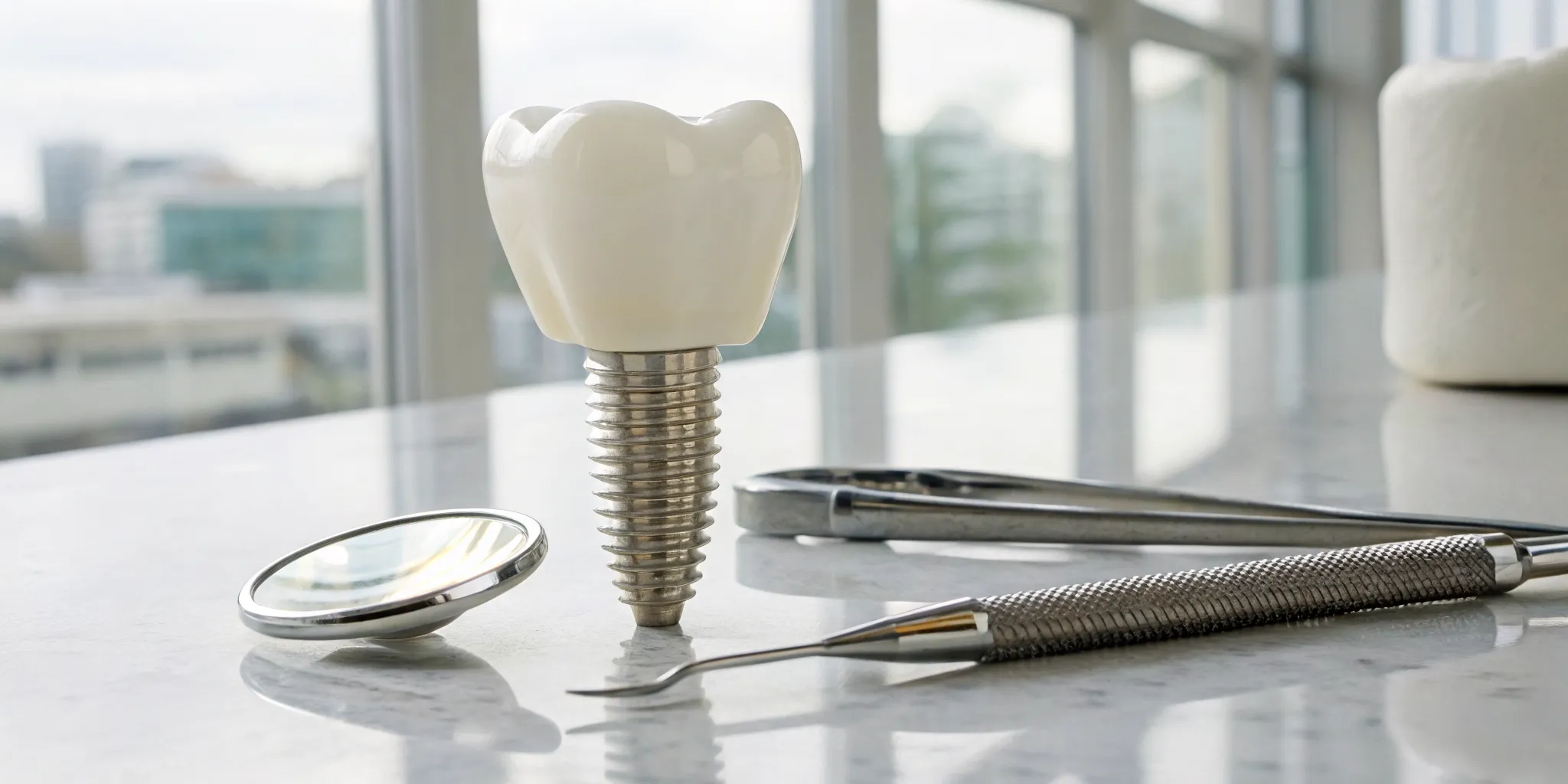
When you take a proactive approach to your health, you read ingredient labels, choose non-toxic products, and ask questions about what goes into your body. So when it comes to replacing a tooth with a solution that will become a permanent part of your jawbone, you’re looking for more than just a quick fix. You want a material that works in harmony with your body’s natural systems. This is where ceramic implants enter the conversation as a metal-free alternative to traditional titanium. This naturally leads to the critical question: are ceramic dental implants safe for your long-term, systemic health? This guide provides a clear, evidence-based look at how they are made, how they interact with your body, and what you can expect for the future of your smile.
Key Takeaways
- Choose a Metal-Free Option for a Natural Look: Ceramic implants are made from biocompatible, tooth-colored zirconia, making them an excellent choice for avoiding metal sensitivities and ensuring your new tooth blends seamlessly with your smile, without any gray showing through the gums.
- Understand That Precision Is Crucial: Because ceramic is a strong but rigid material, the success of the implant depends heavily on expert placement. Working with a practitioner who uses advanced tools like 3-D scanning is essential for planning the procedure and ensuring a stable, long-term fit.
- Weigh the Pros and Cons for Your Lifestyle: Ceramic implants align perfectly with a wholistic approach to health, but they may not be ideal for everyone, such as those who heavily grind their teeth. A thorough evaluation of your bite and overall health is the best way to determine if it’s the right long-term solution for you.
Ceramic vs. Titanium Implants: What’s the Difference?
When you’re looking to replace a missing tooth, a dental implant is the gold standard for a reason. It functions just like a natural tooth root, providing a stable foundation that preserves your jawbone. For decades, titanium has been the go-to material for these implants. It’s strong, reliable, and has a long track record of success. But it’s not the only option.
Enter ceramic implants. As our understanding of the mouth-body connection has grown, so has the demand for materials that work in harmony with our bodies. Ceramic implants offer a metal-free alternative that addresses concerns about aesthetics, allergies, and long-term biocompatibility. While both types of implants aim for the same goal—to restore your smile and function—they get there in slightly different ways. Understanding the key differences in what they’re made of, how they look, and how they interact with your body is the first step in deciding which path is right for you.
What Are Ceramic Implants Made Of?
Ceramic dental implants, also known as zirconia implants, are a completely metal-free option for tooth replacement. They are crafted from zirconium dioxide, a high-performance ceramic that is exceptionally strong and durable. Think of it as the powerhouse of the ceramic world. Its natural white color and resilience make it an ideal material for dentistry.
This is the fundamental difference from traditional implants, which are made from titanium, a type of metal. For anyone pursuing a wholistic dentistry approach or who simply prefers to avoid placing metals in their body, zirconia provides a biocompatible and robust alternative without compromising on strength.
The Aesthetic Advantage for a Natural Smile
One of the most noticeable benefits of ceramic implants is how they look. Because zirconia is a tooth-colored white material, it offers a more natural aesthetic from the start. This completely eliminates the risk of a dark metal line showing through the gums, which can sometimes happen with titanium implants, especially if you have thin gum tissue or experience gum recession over time.
With a ceramic implant, the entire restoration, from the root to the crown, is designed to mimic a natural tooth. The result is a seamless blend with your existing smile. There’s no gray hue or metallic shadow at the gumline, just a bright, natural-looking tooth that looks and feels like your own.
How They Work With Your Body
Beyond looks, the way an implant interacts with your body is critical. Ceramic implants are bio-inert, which means they are non-reactive and won’t corrode or release particles into your system. This is a significant advantage for individuals with metal sensitivities, allergies, or autoimmune conditions who might react to the alloys in titanium implants.
Zirconia also integrates beautifully with the jawbone in a process called osseointegration. Furthermore, the smooth ceramic surface is less friendly to plaque and bacteria, which can lead to healthier gums and a lower risk of inflammation around the implant site. This focus on biocompatible materials aligns with a health-first approach, similar to choosing safe mercury removal to reduce the body’s toxic load.
Are Ceramic Implants a Safe Choice for Your Health?
When you choose a dental implant, you’re choosing a material that will become a permanent part of your body. It’s a decision that goes beyond just filling a gap in your smile; it impacts your systemic health. For many people, especially those who take a proactive approach to their well-being, the idea of placing metal in their body raises valid questions. This is where ceramic implants come in. As a biocompatible, metal-free alternative, they offer a solution that works in harmony with your body’s natural systems, aligning perfectly with a wholistic approach to dentistry. Let’s look at the specific health advantages that make ceramic a safe and effective choice.
The Benefits of a Metal-Free Option
Ceramic dental implants are crafted from zirconia, a remarkably strong and durable biocompatible ceramic. Unlike traditional implants, they contain no metal whatsoever. This is a significant advantage for anyone concerned about the long-term effects of having metal alloys in their body. A metal-free implant means there is no risk of metal ions being released into your bloodstream over time, a process that can sometimes lead to systemic inflammation or other sensitivities. Choosing a ceramic dental implant provides peace of mind, ensuring the material integrating with your jawbone is inert, stable, and supportive of your overall health goals.
Reducing the Risk of Allergies and Inflammation
While rare, some individuals have sensitivities or allergies to titanium and other metals used in traditional implants. These reactions can range from localized inflammation to more widespread immune responses. Ceramic implants eliminate this concern entirely. Because zirconia is hypoallergenic and bio-inert, it doesn’t trigger the body’s immune system. This makes it an excellent choice for patients with known metal allergies, autoimmune conditions, or a history of skin sensitivities. By opting for a material that your body readily accepts, you minimize the risk of chronic inflammation around the implant site, creating a healthier foundation for both your oral and systemic wellness.
How They Integrate with Your Natural Bone
The success of any dental implant hinges on osseointegration, the process where the implant fuses directly with your jawbone. Zirconia has been shown to integrate with bone just as effectively as titanium. Its biocompatible nature encourages your natural bone to grow up to and around the implant, creating a strong, stable, and lasting bond. At our practice, we use advanced 3-D scanning to map your unique anatomy with incredible precision. This allows us to plan the exact placement of your ceramic implant, ensuring optimal conditions for it to fuse seamlessly with your bone and function just like a natural tooth root.
Why They Promote Healthier Gums
Healthy gums are just as important as a strong implant. The soft tissue around an implant needs to form a tight, healthy seal to protect the underlying bone from bacteria. Studies suggest that gums heal beautifully around ceramic implants. The smooth, non-porous surface of zirconia is less prone to plaque and bacteria accumulation compared to the surface of titanium implants. This can lead to less inflammation in the surrounding gum tissue and a lower risk of peri-implantitis, a common cause of implant failure. By supporting healthier gums, ceramic implants contribute to the long-term success of your restoration and the overall health of your mouth.
Understanding the Potential Downsides
To make the best decision for your health, it’s important to have a complete picture. While ceramic implants offer incredible benefits, especially from a biological perspective, they come with a few considerations you should be aware of. Being transparent about these points ensures you can weigh the pros and cons with confidence. Think of this not as a list of reasons to say no, but as a guide to help you ask the right questions and understand what makes for a successful outcome.
An informed choice is an empowered one. By looking at the full story, including the material’s strength, the importance of expert placement, and the overall investment, you can feel certain about the path you choose for your smile and your systemic health. Let’s walk through the key factors to keep in mind.
A Realistic Look at Strength and Durability
Zirconia, the ceramic used in these implants, is an incredibly strong material. However, it behaves differently than metal. While titanium has some flexibility and might bend or loosen under extreme force, ceramic is more rigid. This means that in rare cases, particularly under the intense pressure of heavy grinding or clenching on back molars, a ceramic implant has a higher chance of chipping or fracturing.
For this reason, they are often an ideal choice for replacing front teeth, where biting forces are lower and aesthetics are a top priority. The risk of a fracture is low, but it’s a factor we consider when planning your treatment to ensure your new dental implant serves you well for years to come.
Why Expert Placement Is Non-Negotiable
The success of any dental implant hinges on the skill of the practitioner, but this is especially true for ceramic. Because the material is less forgiving than titanium, precision is everything. An experienced oral surgeon understands the exact amount of force to use during placement to avoid damaging the implant, particularly in areas with very dense bone.
This is where advanced technology becomes a game-changer. Using tools like 3-D scanning allows us to create a precise, digitally guided plan for your surgery. We can map out the ideal position, angle, and depth before the procedure even begins, ensuring the implant is placed perfectly for optimal stability and long-term health.
Factoring in the Cost
It’s true that ceramic implants typically represent a higher investment than their titanium counterparts. This difference in cost comes down to a few things: the advanced nature of the biocompatible material itself and the sophisticated manufacturing process required to create a durable, tooth-colored implant.
When considering the cost, it helps to view it as an investment in a wholistic approach to your health. You are choosing a metal-free, highly aesthetic option that is designed to work in harmony with your body’s natural systems. For many people who prioritize biocompatibility and want to avoid introducing any potential irritants into their body, the long-term peace of mind is well worth the initial investment.
Is a Ceramic Implant Right for You?
Deciding on a dental implant is a big step, and the right material for you depends on your health history, aesthetic goals, and personal wellness philosophy. Ceramic implants are an excellent choice for many people, but they aren’t a one-size-fits-all solution. Let’s walk through a few scenarios where a ceramic implant might be the perfect fit for your smile and your body. By considering your unique needs, you can feel confident in the choice you make for your long-term oral and systemic health.
If You Have Metal Sensitivities or Allergies
If you have known metal allergies or sensitivities, or if you simply prefer to avoid having metal in your body, a ceramic implant is an ideal option. They are crafted from zirconia, a biocompatible material that your body accepts easily, minimizing the risk of irritation or an allergic reaction. This makes them a cornerstone of a truly wholistic dentistry approach. Choosing ceramic means you don’t have to worry about potential immune responses or long-term exposure to metal ions, giving you peace of mind that your dental solution is working in harmony with your body’s natural systems.
If You Want the Most Natural-Looking Result
Aesthetics are a major factor in any smile restoration, and this is where ceramic implants truly shine. Because the implant itself is tooth-colored, it won’t create a dark or gray shadow at the gumline, which can sometimes happen with titanium implants, especially if you have thin gums. The white material blends seamlessly with your natural teeth and the final crown placed on top. This ensures your new tooth looks completely natural from every angle, giving you a bright, confident smile without any compromises. It’s a key part of achieving a beautiful and healthy-looking result.
If You Follow a Biological Approach to Wellness
For those who prioritize a biological or integrative approach to health, ceramic implants are often the preferred choice. They align perfectly with a philosophy that values biocompatible, non-reactive materials. Zirconia is bio-inert, meaning it won’t corrode or release particles into the surrounding tissues. This focus on using materials that support the body’s overall well-being is central to our practice. A ceramic dental implant is more than just a replacement tooth; it’s a choice that reflects a commitment to your total body health, starting with a healthy, stable smile.
A Note for Those Who Grind or Clench
It’s important to have a complete picture, and that includes understanding any limitations. While zirconia is incredibly strong, it is more brittle than titanium. For individuals who grind or clench their teeth heavily (a condition known as bruxism), particularly on the back molars, there is a higher risk of fracture compared to a metal implant. This doesn’t automatically rule you out, but it does mean a thorough evaluation is critical. Using advanced 3-D scanning, we can assess your bite and jaw forces to determine if a ceramic implant is a durable and safe option for you.
How Do Ceramic Implants Perform Over Time?
Choosing a dental implant is a significant decision, and it’s natural to wonder about the long-term performance. You’re not just restoring a tooth; you’re making an investment in your health and confidence for years to come. The great news is that ceramic implants are designed for durability, offering a reliable and lasting solution when properly placed and cared for. Their performance over time is impressive, making them a fantastic choice for anyone seeking a biocompatible and beautiful smile. Let’s look at what you can expect from your ceramic implant down the road.
A Look at Long-Term Success Rates
When considering any dental procedure, you want to know it’s going to be successful. Clinical studies show that ceramic implants have long-term success rates that are very similar to their titanium counterparts. This means you can choose a metal-free option without compromising on reliability. Of course, the success of any dental implant doesn’t just depend on the material. It also relies heavily on the skill of the dentist placing it and how well you care for it afterward. With an experienced practitioner and a commitment to your oral health, you can feel confident that your ceramic implant is set up for success from day one.
What to Expect for Lifespan
A ceramic implant is built to last. With proper care, the implant itself (the post that integrates with your jawbone) can last for 15 to 20 years, and many people keep them for a lifetime. It’s helpful to think of the implant in two parts: the implant post and the crown that sits on top. The crown, which is the visible part that looks like a tooth, typically has a lifespan of about 10 to 15 years before it may need to be replaced due to normal wear and tear. Replacing a crown is a straightforward process that doesn’t affect the implant post secured in your bone, making maintenance simple over the years.
How to Care for Your Implant for Lasting Results
Protecting your investment in a ceramic implant is simple and fits right into a healthy lifestyle. The key is consistency. Think of caring for your implant just as you would your natural teeth. Brushing twice a day with a soft-bristled brush and flossing daily are non-negotiable for keeping the surrounding gums healthy. Regular check-ups and professional cleanings are also essential, as they allow us to monitor the implant and catch any potential issues early. We also recommend avoiding extremely hard foods, like ice or hard candy, to protect the crown. Our approach to wholistic dentistry means we see these habits as part of your overall well-being, ensuring your smile stays healthy for decades.
Making an Informed Decision for Your Smile
Choosing the right dental implant is about more than just filling a gap in your smile; it’s a decision that impacts your long-term health and confidence. When you’re weighing your options, it’s helpful to look at the complete picture, considering both the benefits and the potential drawbacks in the context of your own health goals.
Ceramic implants are a fantastic choice for many, especially if you’re looking for a metal-free option that aligns with a wholistic approach to dentistry. Made from biocompatible zirconia, they offer a beautiful, natural look that blends seamlessly with your existing teeth. For anyone concerned about metal sensitivities or the potential health effects of having metal in their body, many experts agree that ceramic implants are a safer choice. They are designed to work in harmony with your body, minimizing the risk of irritation and promoting healthy gum tissue.
At the same time, it’s important to have a clear understanding of the material’s properties. While incredibly strong, ceramic is less flexible than titanium and may be more prone to chipping under extreme force, though this is a relatively low risk. It’s also true that titanium has been studied for a longer period. While ceramic implants can absolutely last for many years, often 15 to 20 years or more with proper care, the body of long-term research is still growing compared to its metal counterpart.
Ultimately, the best way to decide is by having a conversation with a dental team that sees the full picture of your health. A thorough evaluation, including advanced 3-D scanning to assess your unique jaw and bone structure, is critical. This isn’t just about choosing a material; it’s about finding the right dental implant solution that fits your body, your lifestyle, and your wellness goals. By weighing all the factors together, you can feel confident in the choice you make for your smile.
Related Articles
- Zirconia Dental Implants: What Are They?
- Quality Dental Implants
- Subperiosteal Implants
- Patient Education
Frequently Asked Questions
Are ceramic implants as strong as titanium implants? Yes, the zirconia used for ceramic implants is exceptionally strong and durable enough for everyday use. While titanium has a bit more flexibility, ceramic is more rigid. This means it’s a fantastic choice for most areas of the mouth, especially for replacing front teeth. For back molars, where biting forces are highest, we conduct a thorough evaluation of your bite to ensure a ceramic implant is the most durable long-term solution for you.
Will a ceramic implant look and feel like a real tooth? Absolutely. One of the biggest advantages of ceramic is its natural, tooth-colored appearance. This prevents any gray metal from showing through your gums, giving you a seamless and bright smile. Once the implant fully integrates with your jawbone and a custom crown is placed on top, it is designed to function just like your natural tooth, allowing you to eat, speak, and smile with complete confidence.
Why is expert placement so important for ceramic implants? Precision is key with any dental implant, but it’s especially critical with ceramic. Because the material is more rigid than titanium, it requires a skilled hand to place it correctly without causing micro-fractures. An experienced practitioner uses advanced tools, like 3-D scanning, to create a precise surgical plan. This ensures the implant is positioned at the perfect angle and depth for optimal stability and long-term success.
How do I know if a ceramic implant is the right choice for my specific situation? The best way to find out is through a personal consultation. We’ll discuss your health history, including any metal sensitivities or autoimmune conditions, and talk about your aesthetic goals. Using 3-D imaging, we can get a detailed look at your bone density and jaw structure. This complete picture allows us to determine if a ceramic implant is the ideal fit for your body, your smile, and your overall wellness philosophy.
Is the higher cost of a ceramic implant worth the investment? For many people, the answer is a definite yes. The higher cost reflects the advanced, biocompatible material and the sophisticated process used to make it. Viewing it as an investment in your total body health can be helpful. You are choosing a metal-free, hypoallergenic option that works in harmony with your body’s systems. For those who prioritize a biological approach to wellness, the peace of mind that comes with that choice is invaluable.
