
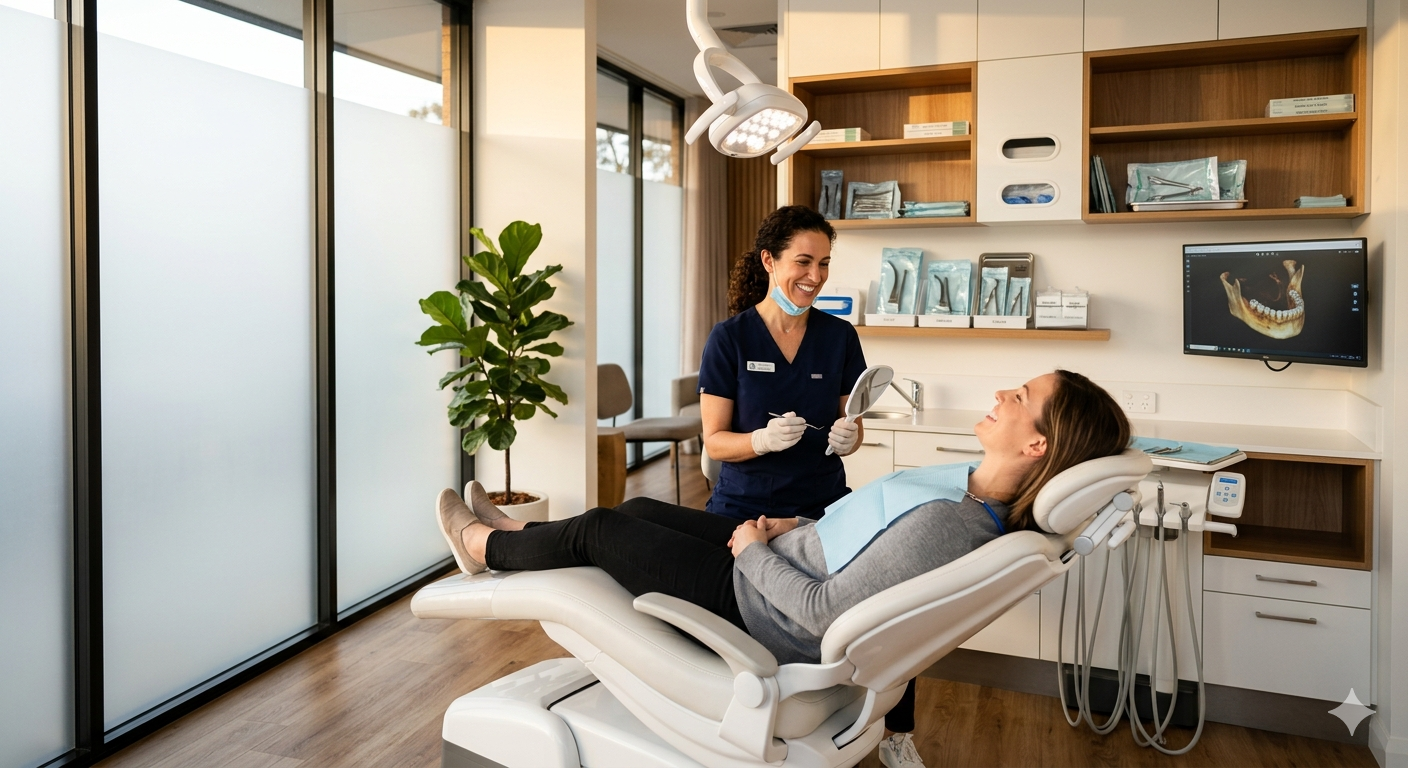
When a sudden toothache, a knocked-out tooth, or a painful swelling hits, you need fast, competent care in Los Angeles — not guesswork. You can get same-day emergency dental treatment in Los Angeles that controls pain, preserves teeth, and prevents complications.
This article guides you through how to spot true dental emergencies, what to expect during an urgent visit, and which modern options and comfort measures dentists use to get you back to normal quickly. It also explains practical steps to manage a crisis at home, how to choose the right Los Angeles dentist, and what to know about insurance and payment so you face emergencies with confidence.
Recognizing Dental Emergencies
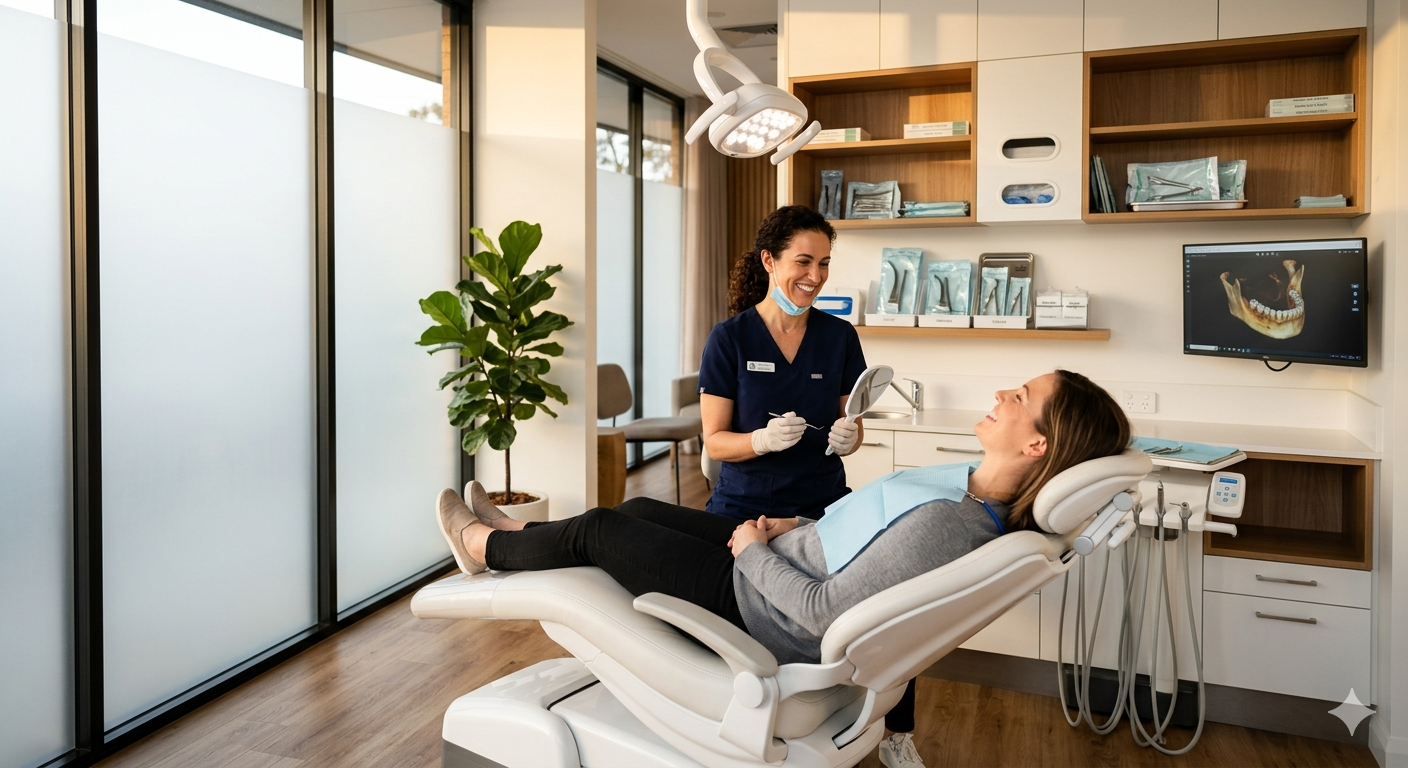
Recognizing urgent dental problems means identifying specific symptoms and knowing when to act fast. Focus on bleeding, severe pain, loose or knocked-out teeth, swelling that affects breathing or swallowing, and visible injury to the gums, jaw, or face.
Common Signs You Need Urgent Dental Care
Severe, unrelenting tooth pain that wakes a person from sleep or does not respond to over-the-counter pain relievers often signals infection or a deep cavity that requires immediate treatment. Sharp, throbbing pain plus fever or facial swelling increases the risk of a spreading infection and needs prompt attention.
Heavy, continuous bleeding after dental trauma or an extraction that soaks through gauze within 30–60 minutes requires professional control. A tooth that is partially or completely knocked out should be handled within one hour for the best chance of reimplantation; keep the tooth moist in milk or saliva, not water.
Visible pus, a bad taste or odor in the mouth, and significant jaw locking or difficulty opening indicate an abscess or other serious condition. Any injury that causes obvious deformity of the jaw, numbness, or trouble breathing or swallowing demands emergency care and possibly hospital evaluation.
Types of Dental Emergencies
Traumatic injuries include avulsed (knocked-out) teeth, fractured teeth with exposed pulp, and lacerations to the lips, tongue, or gums. Avulsion requires immediate reimplantation attempt; fractured teeth with exposed nerve tissue often need root canal treatment or crown placement to save the tooth.
Infections range from localized tooth abscesses to rapidly spreading cellulitis. Abscesses present with localized swelling, throbbing pain, and sometimes fever. They often need drainage plus antibiotics and definitive dental procedures to remove the source of infection.
Acute pain without visible damage can come from pulpitis (inflamed nerve), cracked tooth syndrome, or trapped food between teeth. Severe bleeding after extractions or trauma, and prosthetic emergencies like broken implants or displaced dentures that cause injury, also qualify as urgent and should be addressed quickly.
When to Seek Immediate Help
Seek immediate care if swelling causes difficulty breathing, swallowing, or speaking. These signs suggest airway compromise or rapidly spreading infection and require emergency services without delay.
Go to the dentist or an emergency room for persistent fever with dental pain, uncontrolled bleeding after 30–60 minutes of pressure, or a tooth knocked out within the past hour. For severe pain that prevents normal activity or sleep, contact an emergency dentist the same day.
For less acute but urgent issues—loose crowns, moderate swelling, or worsening pain over 24–48 hours—schedule urgent dental care within a day. When in doubt, err on the side of prompt evaluation; prompt treatment preserves teeth and prevents complications.
What To Expect During an Emergency Visit
Patients can expect a focused, fast evaluation, immediate comfort measures, and clear treatment options with estimated costs and timelines. Staff prioritize pain control, infection management, and preserving the tooth when possible.
Initial Assessment and Comfort Measures
When a patient arrives, staff verify identity, insurance, and the nature of the emergency. A triage nurse or assistant asks targeted questions: onset and intensity of pain, swelling, bleeding, recent dental work, medical conditions, and medications.
The dentist performs a quick clinical exam and takes any necessary X-rays or a CBCT scan for suspected fractures or root involvement. If swelling or airway risk appears, the team acts immediately to prevent complications.
Comfort measures begin right away: extraoral cold packs for swelling, topical anesthetic on exposed nerves, and IV or oral analgesics if pain is severe. Staff monitor vital signs for patients on blood thinners or with heart conditions. Communication stays clear—every step is explained and consent requested.
Pain Relief Options
Immediate pain relief often starts with local anesthesia to numb the affected area and allow treatment or examination. For severe pain, dentists may offer an oral opioid for short-term use or prescribe NSAIDs combined with acetaminophen for effective multimodal pain control.
If infection causes pain and swelling, a prescription for antibiotics such as amoxicillin or clindamycin is common, with dosing adjusted for allergies and medical history. For patients with severe swelling, IV antibiotics or referral to a hospital may be necessary.
Dentists also recommend short-term measures patients can use at home: cold compresses, saltwater rinses, avoiding chewing on the injured side, and using over-the-counter analgesics as directed. Clear instructions cover when to return or go to an emergency department.
Understanding Treatment Recommendations
After stabilization, the dentist presents specific options: temporary measures (pulp capping, sedative dressing, splinting), definitive procedures (root canal therapy, extraction, fracture repair), or referral to a specialist (oral surgeon, endodontist). Each option includes expected steps, time to complete, and typical recovery.
Costs and insurance coverage are discussed up front, including estimated fees for emergency visits, X-rays, medications, and follow-up treatment. If immediate definitive care isn’t possible, the dentist outlines a clear interim plan and schedules prompt follow-up.
Patients receive written aftercare instructions and contact information for questions or worsening symptoms. The team encourages scheduling a definitive appointment within the recommended window to prevent recurrence or complications.
Modern Solutions for Urgent Dental Problems
Emergency dental care in Los Angeles often focuses on saving teeth, controlling infection, and restoring function quickly. Treatments prioritize comfort, rapid diagnosis, and options that minimize future complications.
Restorative Treatments for Broken or Knocked-Out Teeth
When a tooth breaks or is avulsed, immediate steps matter: keep a knocked-out tooth moist (milk or saline), avoid touching the root, and seek care within an hour if possible. Dentists perform a quick exam and X-rays, then decide between replantation, bonding, or a crown depending on damage and root integrity.
For cracked teeth that don’t extend below the gum, composite bonding or a porcelain crown can restore strength and appearance the same day in many practices. If the pulp is exposed or infected, endodontic treatment (root canal) often follows before a crown to remove pain and preserve the tooth. For teeth that cannot be saved, extraction followed by immediate implant placement or a temporary bridge provides fast function and looks.
Typical in-office tools include local anesthesia, dental bonding materials, titanium implants, and same-day CAD/CAM crowns. The team explains timelines, success rates, and costs so patients choose the best path for appearance and long-term oral health.
Management of Infections and Abscesses
Dental infections can escalate quickly; swelling, fever, or severe throbbing require prompt evaluation. Clinicians perform oral exams, periapical X-rays or CBCT scans to locate abscesses, then prioritize airway safety and pain control.
Treatment commonly combines local drainage or root canal therapy with targeted antibiotics when systemic signs appear. Incision and drainage (I&D) under local anesthesia reduces pressure from a localized abscess. If a tooth is non-restorable, extraction plus curettage of the infected socket is performed and antibiotics continued as needed.
Clinics also manage infection-related complications like cellulitis by coordinating with medical providers for IV antibiotics or hospitalization when facial swelling threatens breathing. Follow-up visits confirm resolution and plan definitive restoration, such as implants or bridges, once infection clears. Patients receive clear at-home care instructions on hygiene, medication timing, and signs that warrant immediate return.
Patient Comfort and Support
Staff focus on reducing pain, controlling anxiety, and keeping families informed during urgent visits. They combine clear communication, evidence-based sedation and pain control, and practical accommodations for children and caregivers.
How Dentists Minimize Anxiety and Stress
Dentists use specific communication techniques to lower stress: they explain the problem in plain language, outline each step of treatment, and set realistic time expectations. Patients often receive a written treatment plan and consent form so they can process information and ask questions before procedures begin.
Clinics commonly offer multiple pain-control options. Local anesthesia like lidocaine remains the standard for numbing; topical gel helps with injections. For higher anxiety, conscious sedation with oral benzodiazepines or nitrous oxide (laughing gas) is available, and intravenous (IV) sedation is provided by trained clinicians when needed.
Practice procedures further reduce stress. Staff perform pre-procedure comfort checks (vital signs, pain score, medication review) and use noise-canceling headphones, blankets, and guided-breathing instructions during treatment. They also document allergies, medical history, and recent opioid or anticoagulant use to avoid complications.
Accommodating Families and Children
Pediatric-focused emergency care combines speed with reassurance. Dentists trained in pediatric behavior management use the “tell-show-do” method: they describe the instrument, demonstrate on a finger or mirror, then proceed. This helps children understand and cooperate with minimal fear.
Facilities often provide family-friendly measures: flexible appointment times, a caregiver in the operatory, and play-area distractions or tablet-based games for waiting. For procedures, pediatric dosing of analgesics and anxiolytics follows weight-based guidelines to ensure safety.
When a parent or guardian cannot attend, clinics verify consent and provide clear post-care instructions by phone or email. They supply written aftercare steps—diet, pain control, signs of infection—and schedule follow-up calls to confirm recovery or arrange further treatment.
Handling a Dental Crisis at Home
A dental emergency often needs quick, calm action: control bleeding, protect exposed tissue, reduce pain, and preserve any broken or knocked-out tooth. Small, prepared steps taken immediately can improve outcomes before reaching an emergency dentist.
First Aid Tips Before You Reach the Dentist
For a knocked-out permanent tooth, have the person hold it by the crown only, rinse gently with saline or milk if dirty, and try to reinsert it into the socket without force. If reinsertion isn’t possible, store the tooth in cold milk or a tooth-preservation kit and get to a dentist within 60 minutes for the best chance of saving it.
For a cracked tooth with sharp edges, place dental wax or sugar-free gum over the edge to protect the tongue and cheek. If a crown or filling falls out, rinse the tooth and mouth with warm water, keep the tooth fragment or crown, and use temporary dental cement or sugar-free gum to cover the exposed area until treatment.
Control bleeding by applying firm, direct pressure with sterile gauze for 10–15 minutes. Use a cold compress against the face to reduce swelling and take acetaminophen or ibuprofen for pain unless contraindicated. Avoid aspirin because it can increase bleeding.
Items to Keep in an Emergency Dental Kit
A compact kit should include sterile gauze pads (several), disposable gloves, and dental wax or sugar-free gum for sharp edges. Pack a small bottle of sterile saline or bottled milk to store a knocked-out tooth, plus a tooth-preservation kit if available.
Include temporary dental cement (or over-the-counter dental repair kits), a small container with a tight lid for tooth fragments, and a mirror or flashlight for quick inspection. Add OTC pain relievers (ibuprofen and acetaminophen), antiseptic mouth rinse, and cold packs that can be frozen or instant cold packs.
Keep contact information for the person’s regular dentist and a local emergency dental clinic in a waterproof card inside the kit. Store the kit in an easily reachable place at home and in travel bags so it’s available immediately when an accident happens.
Preventing Future Dental Emergencies
Small daily choices and the right protective gear cut the risk of chips, cracks, and sudden pain. Consistent home care, timely dental visits, and using mouthguards for high-risk activities keep teeth functional and comfortable.
Daily Habits for Stronger Teeth
Brush twice daily with a soft-bristle brush and fluoride toothpaste for two minutes each time. Floss once daily to remove plaque between teeth where cavities often start.
Limit sugary snacks and acidic drinks—choose water, milk, or unsweetened tea. If consuming acidic beverages, drink them with meals and rinse with water afterward to reduce enamel erosion.
Use a fluoridated mouthwash nightly if at high risk for cavities; fluoride strengthens enamel and can reverse early decay. Consider dental products with potassium nitrate if sensitivity is an issue, and ask the dentist about prescription-strength fluoride for patients with frequent decay.
Schedule dental cleanings and exams every six months or more often if the dentist recommends it. Early detection of cracks, bite problems, or failing restorations prevents small issues from becoming emergencies.
Protective Gear for Sports and Activities
Wear a custom-fitted mouthguard for contact sports and any activity with fall risk—basketball, skateboarding, cycling, and martial arts. Custom guards from a dentist fit better, reduce concussion-related jaw movement, and protect teeth more effectively than boil-and-bite or store-bought options.
Use a nightguard if the dentist diagnoses bruxism (teeth grinding). Grinding wears enamel and leads to fractures and tooth sensitivity; a nightguard distributes forces and preserves restorations.
Inspect helmets, face shields, and other protective equipment regularly and replace them when damaged. Keep a small dental first-aid kit—sterile gauze, temporary dental cement, and contact information for a local emergency dentist—to manage a knocked-out or fractured tooth until professional care is available.
Choosing the Right Dentist in Los Angeles
Patients should prioritize prompt availability, clear communication, insurance and payment options, and a practice environment that promotes comfort and efficient care. Location, hours, and verified emergency procedures directly affect how quickly someone receives treatment during pain or trauma.
Key Qualities to Look For
Look for a dentist with current California licensure and active membership in the California Dental Association or the Los Angeles County Dental Association. Those affiliations signal up-to-date training and access to peer resources.
Confirm the clinician handles dental emergencies routinely—root canals, dental trauma, and severe infections—not just routine cleanings. Ask whether the practice provides same‑day appointments or an on‑call dentist for nights and weekends.
Evaluate the practice’s technology: digital X-rays, intraoral cameras, and cone-beam CT for complex cases speed diagnosis and reduce repeat visits. Prioritize offices that offer sedation options and clear pain‑management protocols to reduce anxiety and discomfort.
Check verified patient reviews and inquire about complication rates for emergency procedures. Finally, verify insurance participation, out‑of‑network policies, and transparent cost estimates for common emergency treatments.
Finding a Local Practice That Fits Your Needs
Search within a practical travel radius—aim for 10–20 miles in Los Angeles traffic or clinics near major arteries like the 405, 10, or 101 for faster access. Pick a clinic that posts real-time wait times or offers online check‑in to minimize delays.
Use targeted queries: “same-day emergency dentist near Santa Monica” or “weekend emergency dental care Hollywood” to find practices with appropriate hours. Call before arrival to confirm emergency availability and estimated wait.
Prepare a short checklist before choosing: accepted insurance, emergency hours, on‑site imaging, sedation options, and whether a specialist (endodontist or oral surgeon) is on call. Keep digital copies of ID, insurance card, and a brief medical history in your phone to speed intake during an emergency.
If language, mobility, or medical concerns matter, select a practice that lists multilingual staff, wheelchair access, and experience with medically complex patients. Schedule a quick introductory call or virtual tour to assess staff bedside manner and facility cleanliness before an urgent need arises.
Insurance and Payment Solutions
Most emergency visits in Los Angeles involve insurance verification, co-pays, and options for patients without coverage. Clear information about accepted plans and payment choices helps families act quickly when pain or injury occurs.
Navigating Emergency Dental Costs
They should verify insurance benefits before arriving when possible. Many Los Angeles emergency dentists accept major PPOs (Delta Dental PPO, Cigna, Aetna, MetLife) but not all HMO plans; confirming network status avoids surprise out-of-pocket charges.
Typical emergency fees include an initial exam and X-rays, urgent procedures (tooth extraction, temporary fillings, root canal start), and follow-up care. Costs vary: exam/X-rays often range $75–$250; extractions $150–$800; partial root canal initiation $300–$900, depending on tooth complexity and imaging needs.
Patients with insurance should bring their card and know their deductible and emergency coverage limits. Those without coverage should ask for an itemized estimate and a treatment priority list to decide immediate vs. staged care.
Flexible Payment Options
Many practices offer in-office payment methods: cash, major credit cards, and contactless payments for faster processing after hours. Patients should ask ahead whether same-day payment is required for emergency procedures.
Payment plans and third-party financing are common. Providers often work with CareCredit, Sunbit, or local installment plans that allow 3–12 month interest-free options for qualifying applicants. Approval times can be minutes, enabling treatment the same day.
Some clinics maintain a sliding scale or discounted cash rates for uninsured or low-income patients. They also accept Health Savings Account (HSA) and Flexible Spending Account (FSA) payments; patients should bring relevant cards and documentation to ensure smooth billing.
Frequently Asked Questions
This section answers specific concerns about urgent dental problems, timelines for care, basic at‑home steps to reduce pain or bleeding, typical same‑day treatments, and common costs and payment choices.
How do I know if my dental problem is an emergency or something that can wait until regular office hours?
An emergency requires immediate attention when there is heavy bleeding, intense uncontrolled pain, facial swelling that affects breathing or swallowing, or a tooth completely knocked out.
Minor pain, a lost small filling without pain, or cosmetic concerns can usually wait for the next business day.
They should call an emergency dentist if symptoms include fever with oral swelling, severe trauma to the face, or progressive numbness.
If unsure, a quick phone consultation with the dental office helps triage the problem and avoid unnecessary ER visits.
What should I do right away if I knock out a tooth, and how quickly do I need to be seen?
Find the tooth and pick it up by the crown — avoid touching the root to protect periodontal cells.
If possible, place the tooth back in the socket immediately; if not, keep it moist in milk or saliva and see a dentist within 30–60 minutes for the best chance of reimplantation.
If reimplantation is delayed beyond 60–120 minutes, success rates fall but immediate care still helps reduce infection and preserve bone.
Bring the tooth to the appointment and avoid scrubbing it or using antiseptics on the root.
Can you treat a severe toothache the same day, and what usually causes that kind of sudden pain?
Yes — many emergency dental offices provide same‑day treatment for severe toothaches, often with antibiotics, pain control, or root canal therapy depending on the cause.
Common causes include pulp inflammation from deep decay, an abscessed tooth, a cracked tooth, or advanced gum infection.
The dentist will first control pain and infection, then recommend definitive care like root canal, extraction, or restoration.
Same‑day treatment focuses on relief and stabilization; follow‑up appointments may be needed for permanent restoration.
What can I do at home to safely manage swelling or bleeding in my mouth until I get professional care?
Apply a cold compress to the cheek in 10‑minute intervals to reduce swelling and discomfort.
For bleeding, use firm pressure with sterile gauze or a tea bag for 10–20 minutes; replace it only if bleeding continues.
Avoid spitting, using straws, or vigorous rinsing for the first 24 hours after trauma or extraction to prevent dislodging clots.
Take over‑the‑counter pain relievers such as ibuprofen as directed, unless contraindicated by medical conditions.
How much does an urgent dental visit typically cost, and do you accept insurance or offer payment options?
Urgent visit fees vary by practice and treatment complexity; simple exams often range from $75–$200, while procedures like root canals or extractions add procedure fees.
Many emergency dental offices accept major dental insurance plans and will estimate patient responsibility before treatment.
For uninsured patients, clinics commonly offer payment plans, credit options like CareCredit, or in‑office financing to spread costs.
Patients should call ahead to confirm accepted insurance, typical fees, and available payment arrangements.
If I have a cracked tooth or a lost filling or crown, what are the most comfortable treatment options to fix it quickly?
For a lost crown, the dentist may recement it same day if the crown is intact and the tooth is healthy.
A temporary dental cement from a pharmacy can protect the tooth short‑term until professional recementation.
Small cracked teeth often get bonded with composite resin or covered with a crown to restore strength and comfort.
If a large fracture or pulp involvement exists, root canal therapy followed by a crown may be recommended to save the tooth.
For lost fillings, the dentist can typically replace them the same day with composite (tooth‑colored) material.
They will prioritize pain control and sealing the tooth to prevent infection before completing any definitive restoration.
If they have questions or want to arrange urgent care, contacting a neighborhood emergency dentist promptly gives the best chance of comfort and tooth preservation.
