
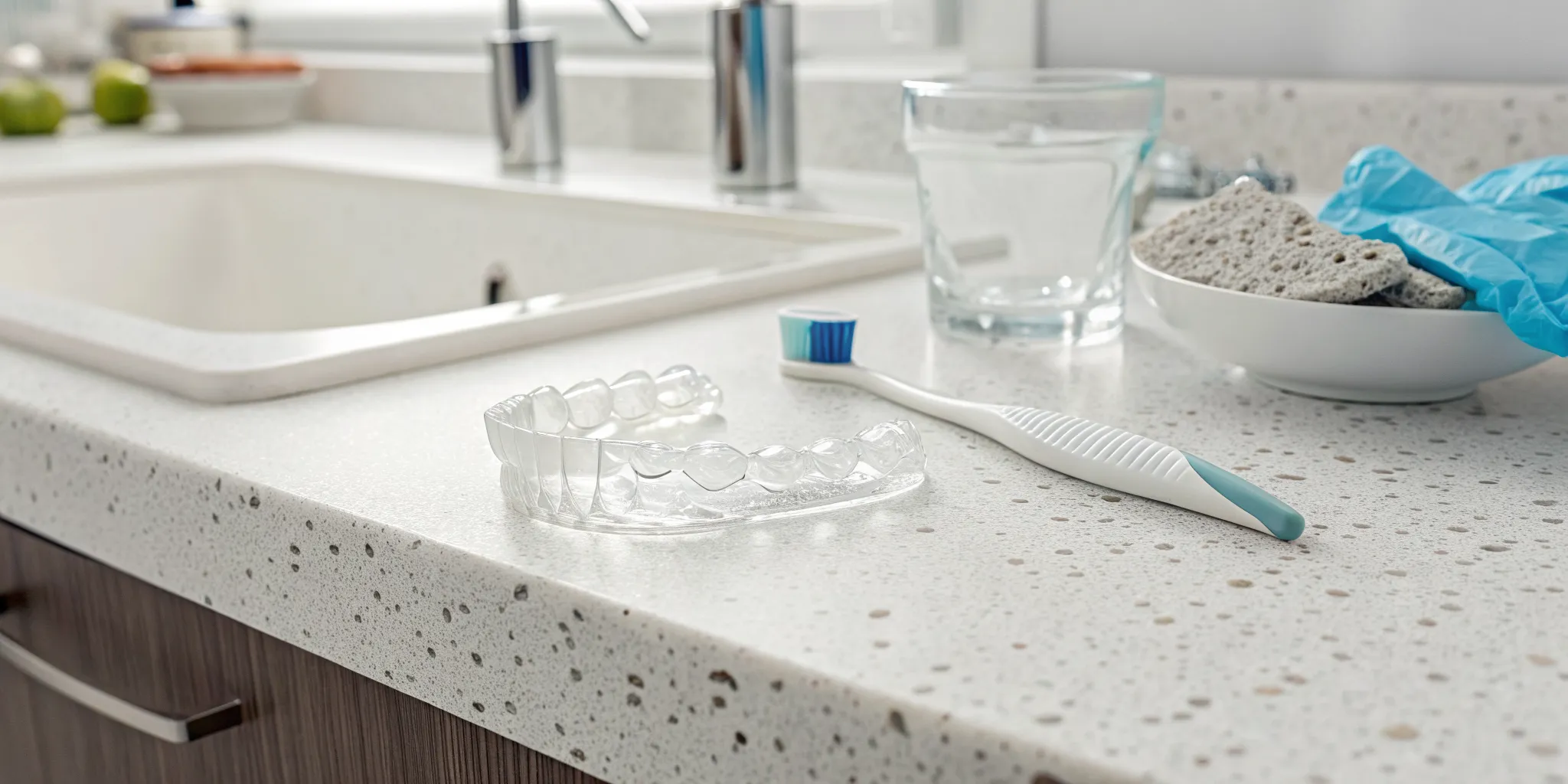
Think of your retainer not as a piece of plastic, but as a health tool that interacts directly with your body’s ecosystem. Every time you wear it, it’s exposed to the millions of bacteria, both good and bad, that make up your oral microbiome. If not cleaned properly, it becomes a breeding ground for harmful bacteria, creating a sticky film that can lead to bad breath, gum inflammation, and even tooth decay. Understanding the specifics of this daily habit, which is why questions like ‘como limpiar un retenedor dental’ are so critical, is about more than hygiene. It’s about taking an active role in managing your body’s inflammatory load and supporting your systemic health.
Key Takeaways
- Daily cleaning is essential for your overall health: Your retainer is a surface where harmful bacteria can thrive, contributing to bad breath, cavities, and even systemic inflammation. A quick daily scrub with gentle soap is a simple action that protects both your smile and your well-being.
- Use the right tools and avoid harsh chemicals: Stick to simple, safe cleaners like mild soap, baking soda, or white vinegar. Never use hot water, abrasive toothpaste, or alcohol-based mouthwash, as these can warp or damage your retainer, creating more places for bacteria to hide.
- Proper storage and professional checks are key: Always keep your retainer in its clean case when not in use to prevent loss or damage. If you notice any cracks, changes in fit, or a smell that won’t go away, contact your dentist immediately to ensure your retainer is still working correctly.
Why Cleaning Your Retainer Matters More Than You Think
After investing time and effort into achieving a straight smile, it’s easy to think of your retainer as the finish line. You wear it, your teeth stay put, and that’s the end of the story. But your retainer is more than just a placeholder; it’s an appliance that spends hours inside your mouth, and its cleanliness has a direct impact on your oral and overall health.
Think of your retainer as an extension of your oral environment. Just like your teeth, it’s a surface where bacteria, plaque, and tartar can accumulate. Neglecting to clean it is like reintroducing a dirty dish into a clean kitchen. This simple habit is a crucial part of a proactive wellness routine, ensuring your smile stays not just straight, but truly healthy from the inside out.
Prevent Bacteria and Bad Breath
Your mouth is home to millions of bacteria, both good and bad. When you wear your retainer, these microorganisms, along with saliva and tiny food particles, create a sticky film called biofilm on its surface. If not removed daily, this biofilm hardens into plaque and tartar, creating the perfect breeding ground for odor-causing bacteria. A clean dental retainer is essential for good oral hygiene and fresh breath. Consistently cleaning your appliance prevents this buildup, stopping bad breath before it starts and keeping your retainer feeling fresh and comfortable.
Protect Your Overall Oral Health
Wearing a dirty retainer does more than just cause unpleasant odors; it can actively undermine your oral health. When you place an appliance covered in plaque and bacteria against your teeth for hours at a time, you’re essentially trapping those harmful substances against your enamel and gumline. This constant exposure can increase your risk for tooth decay and gum inflammation, or gingivitis. Keeping your retainer clean is a non-negotiable step in protecting the very teeth you worked so hard to straighten. It ensures your appliance supports your smile without compromising the health of your teeth and gums.
Understand the Retainer-Wellness Connection
At Primary Integrative Dentistry, we see oral health as the gateway to your total well-being. The condition of your mouth directly influences the rest of your body, and that includes the appliances you wear. A dirty retainer can disrupt your oral microbiome, contributing to chronic inflammation that has systemic effects. By making retainer hygiene a priority, you’re doing more than just maintaining your smile; you’re supporting a balanced oral environment, which is a cornerstone of our wholistic dentistry approach. This small daily habit is a powerful way to reduce your body’s inflammatory load and take another step toward integrated health.
How Often Should You Clean Your Retainer?
Think of your retainer as part of your daily wellness routine. Just as you wouldn’t skip brushing your teeth, you can’t skip cleaning the appliance that sits against them for hours. Consistency is the goal. A clean retainer supports a healthy oral microbiome, which is a cornerstone of your body’s overall health. When you neglect it, bacteria and plaque build up, creating issues that go far beyond your mouth. The key is to establish a simple, non-negotiable schedule: a quick clean every day and a deeper clean once a week. This simple habit protects your investment in your smile and contributes to your systemic well-being.
Your Daily Cleaning Routine
Every single day, your retainer needs a little attention. The best practice is to gently clean it each time you brush your teeth, but at a minimum, you should clean it thoroughly once a day. Whenever you take it out of your mouth, give it a quick rinse with lukewarm water. This simple step prevents saliva and plaque from drying and hardening on the surface, which makes it much harder to clean later. Think of this as a daily reset for your retainer, keeping it fresh and free from the bacteria that can accumulate throughout the day and night.
The Weekly Deep Clean
Once a week, it’s time to give your retainer a more thorough cleaning. Your daily rinse and brush are great for maintenance, but a weekly deep clean is what tackles the more stubborn, invisible buildup. This is your chance to really disinfect the appliance and remove any lingering bacteria or mineral deposits (calculus) that have started to form. You can use specialized cleaning tablets or a simple, homemade solution. This weekly ritual ensures your retainer stays hygienic, clear, and odor-free, playing a vital role in your proactive wholistic dental care.
Red Flags: When to Clean It ASAP
Your body gives you clues when something is off, and your retainer is no different. If you notice any of these signs, it’s time for an immediate, deep clean. A cloudy, white, or yellowish film means plaque and bacteria are building up. A bad taste or a persistent odor is a clear signal of bacterial overgrowth that needs to be addressed right away. These aren’t just cosmetic issues; they’re indicators of a problem that could affect your oral health and even your gut microbiome. Listening to these signals is a key part of maintaining your overall wellness.
The Best Ways to Clean Your Retainer
Keeping your retainer clean doesn’t have to be complicated. Just like the rest of your wellness routine, consistency is key. You have several effective options, from simple daily habits using household staples to more advanced methods for a deeper clean. The best approach is the one you’ll actually stick with. Think of it as another small, daily act that supports your overall health.
The goal is to find a routine that fits your lifestyle while effectively removing bacteria and buildup. What you use to clean your oral appliance is just as important as the cleaning itself. We always recommend starting with gentle, biocompatible methods that won’t degrade the material of your retainer or introduce harsh chemicals into your system. This aligns with our approach to wholistic dentistry, where every choice we make is intentional and supports the health of the entire body. Below are some of the most effective and safest ways to keep your retainer fresh and clean.
The Simple Soap and Water Method
This is your go-to method for daily cleaning. It’s simple, quick, and incredibly effective at removing the plaque and bacteria that accumulate throughout the day. All you need is a soft-bristled toothbrush (reserved just for your retainer) and a mild, clear, unscented soap. Avoid using toothpaste, as its abrasive ingredients can create microscopic scratches on your retainer’s surface, giving bacteria more places to hide.
Gently scrub all surfaces of the retainer with the soapy brush under lukewarm water. Make sure to get into all the small grooves and crevices. Rinse it thoroughly before popping it back in your mouth or into its case. This two-minute ritual each day is the single best thing you can do to maintain your retainer and your oral health.
Deep Clean with Baking Soda
For a weekly deep clean, baking soda is a fantastic natural option. It’s a mild abrasive that helps remove stubborn buildup and works as a natural deodorizer to keep your retainer smelling fresh. This method is gentle on your appliance and avoids the use of harsh chemicals, making it a great choice for anyone focused on a clean, wellness-oriented lifestyle.
Simply mix about a teaspoon of baking soda into half a cup of warm water until it dissolves. Submerge your retainer in the solution and let it soak for 20 to 30 minutes. Afterward, give it a light brush with your dedicated soft toothbrush to dislodge any remaining particles, then rinse it completely with cool water.
Disinfect Naturally with White Vinegar
If you notice a bit of film or mineral buildup (calculus) on your retainer, a white vinegar soak is an excellent way to disinfect and dissolve it. The acetic acid in vinegar is a natural disinfectant that effectively breaks down plaque and tartar without damaging the retainer itself. It’s a simple, powerful cleaning agent you probably already have in your kitchen.
Create a solution of one part white vinegar to three parts warm water, using enough to fully submerge the retainer. Let it soak for about 15 to 20 minutes. Because vinegar has a strong taste and smell, be sure to give your retainer a very thorough rinse under cool water afterward. You can also give it a quick brush with mild soap to ensure all the vinegar residue is gone.
Use Specialized Cleaning Tablets
If you prefer a more convenient, grab-and-go option, specialized retainer or denture cleaning tablets are a great choice. These tablets are specifically formulated to kill odor-causing bacteria, remove stains, and dissolve plaque in a way that’s safe for the materials in your oral appliance. They provide a consistent and reliable clean with minimal effort.
Just drop a tablet into a cup of water with your retainer and let it do its thing. Most brands require a soak of about 15 minutes, but always follow the instructions on the package for the best results. Once the time is up, simply take your retainer out and rinse it well before wearing it again.
Try an Ultrasonic Cleaner
For the most thorough clean possible, consider investing in an ultrasonic cleaner. This is the same type of advanced technology we use in our practice, scaled down for at-home use. The device uses high-frequency sound waves to create microscopic bubbles in the water, which gently and effectively blast away debris from every tiny crevice of your retainer, reaching places a brush can’t.
You can use an ultrasonic cleaner with just water, or you can add a cleaning tablet or a bit of mild soap for extra power. Just place your retainer inside, fill it with your chosen solution, and run it for a few minutes. It’s a hands-off, highly effective method that ensures your retainer is impeccably clean every single day.
What to Avoid When Cleaning Your Retainer
Knowing how to clean your retainer is important, but knowing what not to do is just as crucial for protecting your investment and your health. Using the wrong products or methods can damage your retainer, making it less effective and creating a breeding ground for bacteria. Here are the common cleaning mistakes you’ll want to avoid to keep your retainer in top shape.
Skip the Boiling Water
It might seem like a good idea to sterilize your retainer with boiling water, but high heat is its worst enemy. Your retainer is custom-molded to fit your teeth perfectly, and extreme temperatures can warp the plastic and bend any metal components. A misshapen retainer won’t hold your teeth in place correctly, which can compromise your orthodontic results. Think of it like this: you wouldn’t throw a delicate garment in a hot dryer. Treat your retainer with the same care to maintain its precise fit and function.
Steer Clear of Harsh Chemicals
Never reach for bleach or other aggressive household cleaners to disinfect your retainer. These chemicals are far too corrosive for the materials used in retainers and can degrade the plastic, making it brittle and prone to cracking. More importantly, these substances can leave behind a toxic residue that you definitely don’t want in your mouth. Our approach to wholistic dentistry emphasizes that what happens in your mouth affects your entire body, so avoiding unnecessary chemical exposure is always the best practice for your overall wellness.
Say No to Alcohol-Based Mouthwash
Soaking your retainer in your daily mouthwash might seem like a convenient cleaning hack, but most mouthwashes contain alcohol, which can dry out and damage the acrylic. Over time, this can cause the plastic to become brittle and discolored. The alcohol can also create tiny fissures in the material, giving bacteria more places to hide. Instead of a clean retainer, you end up with one that’s harder to keep fresh. Stick to gentle, non-alcoholic solutions to keep your retainer and your mouth healthy.
Ditch Abrasive Toothpastes
While toothpaste is designed to clean enamel, its abrasive ingredients can create tiny scratches all over the surface of your retainer. You might not see them, but these micro-abrasions are the perfect hiding spots for plaque and bacteria to accumulate. This can lead to a retainer that looks cloudy, feels gritty, and develops a persistent bad smell. Always use a soft-bristled brush with non-abrasive soap or a specialized retainer cleaner to gently scrub away buildup without causing damage.
How to Store Your Retainer Properly
You’ve invested time and effort into achieving your perfect smile; now it’s time to protect it. Proper storage is just as important as daily cleaning, and it’s a habit that pays off in the long run. Think of your retainer case as its dedicated home—a space that keeps it safe from damage, bacteria, and the dreaded accidental toss into the trash. Leaving your retainer out on the counter or nightstand exposes it to airborne germs and risks it getting knocked onto the floor or, worse, becoming a chew toy for a curious pet. This isn’t just about keeping it safe; it’s about hygiene. An exposed retainer can collect microorganisms that you definitely don’t want to put back in your mouth.
A consistent storage routine is simple, but it makes a huge difference in the longevity of your retainer and the health of your mouth. When your retainer is stored correctly, it stays moist, clean, and structurally sound, ensuring it can do its job of keeping your teeth perfectly aligned. This small daily action is a key part of maintaining your oral health, which we know is directly connected to your body’s overall wellness. By creating a safe space for your retainer, you’re not just protecting an orthodontic device; you’re supporting your entire well-being and preventing unnecessary inflammation or bacterial issues.
Keep Your Case Clean and Dry
Your retainer case is its first line of defense, so treat it with care. Always store your retainer in its case to keep it from drying out, breaking, or collecting dust and plaque when not in use. A retainer that dries out can become brittle and more prone to cracking, leading to an expensive replacement. But don’t forget that the case needs cleaning, too. A damp, sealed case can quickly become a breeding ground for bacteria. At least once a week, give your case a good scrub with warm, soapy water and let it air dry completely before putting your retainer back inside. This simple step ensures you aren’t reintroducing germs to your freshly cleaned retainer.
Don’t Use a Napkin (Ever)
We’ve all heard the horror stories. You take your retainer out for a meal at a restaurant, wrap it in a napkin for safekeeping, and moments later, it’s gone—mistaken for trash and tossed in the bin by a well-meaning server. This is one of the most common, and completely avoidable, ways retainers get lost. To prevent this costly mistake, make a simple rule for yourself: if the retainer is not in your mouth, it’s in its case. No exceptions. Don’t use a napkin, a tissue, or your pocket. Keeping your case with you makes it easy to build this habit and ensures your retainer stays safe, clean, and exactly where you can find it.
Tips for Traveling with Your Retainer
Traveling doesn’t mean taking a vacation from your retainer care. Always pack your retainer and its case in your carry-on luggage, never in a checked bag. This way, you avoid the risk of it getting lost or damaged if your luggage is delayed or misplaced. If you have a retainer that you don’t wear every single day, it’s a good idea to store it in a case that allows for air circulation. A ventilated case helps prevent mold and bacteria from growing in a moist, stagnant environment. A little bit of planning ensures your retainer stays protected and clean, no matter where your travels take you.
Your Step-by-Step Retainer Cleaning Guide
Keeping your retainer clean is one of the simplest and most effective ways to support your oral health. Think of it as a non-negotiable part of your daily routine, just like brushing your teeth. A clean retainer prevents the buildup of bacteria and plaque that can lead to bad breath, cavities, and gum inflammation. This small habit is a powerful step in maintaining not just your smile, but your wholistic health, ensuring your mouth remains a clean and healthy gateway to the rest of your body. Ready to make it a simple, stress-free habit? Here’s exactly how to do it.
The Daily Quick-Clean Process
Consistency is key. You should clean your retainer every single day to remove plaque and bacteria that accumulate while you wear it. The best time to do this is right after you take it out in the morning. Grab a soft-bristled toothbrush (a baby toothbrush works perfectly) that you use only for your retainer. Apply a small amount of gentle, clear liquid soap. Wet both the retainer and the brush with lukewarm water, then gently scrub all surfaces, inside and out. Pay special attention to the crevices where buildup can hide. Rinse it thoroughly with cool water before storing it for the day.
Your Weekly Deep-Cleaning Ritual
Once a week, give your retainer a deeper clean to dissolve any stubborn buildup and keep it fresh. This is a simple ritual you can add to your Sunday routine. You can use specialized cleaning tablets designed for retainers, which are available at most drugstores. Just follow the package instructions, which usually involve dissolving a tablet in a cup of water and soaking your retainer for about 15 minutes. After it has soaked, give it a light brush and a thorough rinse with cool water. This weekly soak helps eliminate any lingering bacteria and keeps your retainer looking and feeling like new.
Common Mistakes to Avoid
Knowing what not to do is just as important as knowing what to do. To protect your retainer and your health, avoid these common missteps. First, never use hot or boiling water. The high temperature can permanently warp the plastic, ruining the custom fit. Second, skip the toothpaste. While it seems logical, most toothpastes are abrasive and can create tiny scratches on your retainer’s surface, which actually attract more bacteria. Finally, stay away from harsh chemicals like bleach or alcohol-based mouthwashes. These can damage the material and are not meant for ingestion. Gentle soap and water are all you need for daily care.
When to Call Your Dentist About Your Retainer
Your retainer is the final, crucial step in your orthodontic journey, working hard to keep your smile perfectly aligned. But it’s not indestructible. Just like any other part of your health routine, it requires attention and occasional professional assessment. Knowing when to simply clean your retainer and when to pick up the phone and call your dentist is key to protecting your investment and your oral health. Think of it as proactive care. Instead of waiting for a major issue, you’re trained to spot the early warning signs. This not only saves you from potential discomfort and costly repairs but also ensures your teeth stay exactly where they should be. If you notice any of the following issues, it’s time to schedule a visit.
Spotting Signs of Damage or Wear
A visible crack, a broken piece, or a warped shape is an immediate red flag. A damaged retainer can’t apply the consistent, gentle pressure needed to hold your teeth in place, which can allow them to shift back to their old positions. Even worse, sharp or broken edges can irritate or cut your gums, tongue, and cheeks, creating entry points for bacteria. Don’t attempt a DIY repair with superglue or other household adhesives, as these materials are not safe for your mouth. The best course of action is to contact your dental professional right away. We can assess the damage and determine if a repair is possible or if you need a replacement.
Dealing with a Lingering Smell
You’ve been diligent with your cleaning routine, but you still notice a persistent, unpleasant odor coming from your retainer. While some smell can be normal, a foul odor that doesn’t go away after a thorough cleaning could signal a deeper issue. It might mean there’s a significant buildup of bacteria or plaque in tiny crevices you can’t reach, or that the material of the retainer itself has started to degrade. A lingering smell is a sign that something is off in your oral microbiome. We can help you get to the root cause, ensuring your retainer is a tool for health, not a source of unwanted bacteria.
Noticing Changes in Color or Fit
If your once-clear retainer now has a cloudy or yellowish tint, it’s likely due to plaque and tartar buildup. This not only looks unappealing but can also harbor bacteria. More importantly, if your retainer suddenly feels too tight, too loose, or just doesn’t seem to click into place like it used to, take it seriously. This could mean your teeth have already started to shift, or the retainer has warped from heat or improper care. A poor fit compromises its effectiveness. Using advanced 3-D scanning, we can precisely evaluate your dental alignment and the retainer’s fit to ensure everything is functioning as it should.
A Healthy Retainer for a Healthier You
After all the time and effort you’ve put into achieving a straight smile, your retainer is the key to protecting that investment. But its job goes far beyond keeping your teeth in place. Think of your retainer as a daily health tool. When it’s clean, it supports your oral and systemic health. When it’s not, it can become a breeding ground for bacteria that introduce unwanted challenges to your body’s ecosystem.
At Primary Integrative Dentistry, we see every detail of your oral care as a piece of your larger health puzzle. A clean retainer isn’t just about avoiding bad breath or a grimy appliance; it’s a proactive step toward maintaining the delicate balance of your oral microbiome. This ecosystem has a direct line of communication with the rest of your body. Keeping your retainer clean is a simple, powerful habit that aligns with a truly wholistic approach to dentistry, where small, consistent actions create lasting wellness.
Our Integrated Approach to Oral Health
Your retainer’s main function is to hold your teeth in their ideal position, but this stability is about more than just aesthetics. It supports the long-term health of your entire oral system, including your gums and jaw. When your teeth are properly aligned, your bite functions correctly, reducing unnecessary strain on your jaw joints and preventing premature wear. This structural integrity is a core part of our integrated view of health. We don’t just see a straight smile; we see a functional, stable system where every part works in harmony to support you for years to come.
Connecting Your Smile to Your Overall Wellness
Your mouth is home to a complex community of bacteria, both helpful and harmful. A dirty retainer can quickly become a haven for plaque and pathogenic bacteria to accumulate. This buildup doesn’t just stay on your retainer; it can lead to gum inflammation, cavities, and oral infections. More importantly, chronic inflammation in the mouth can contribute to systemic health issues elsewhere in the body. By simply keeping your retainer clean, you are taking an active role in reducing your body’s inflammatory load. It’s a small daily action with a significant impact, reinforcing the powerful connection between your oral health and your overall wellness.
Related Articles
- Invisalign Clear Aligners Brentwood, CA | Primary Integrative Dentistry
- Patient Education – Primary Integrative Dentistry
- Dental Exams, Cleaning & Whitening Services in Brentwood, CA
- Custom Dentures Brentwood, CA | Primary Integrative Dentistry
- Your Guide to All on 4 Dental Implants Zirconia
Frequently Asked Questions
Is it really a big deal if I forget to clean my retainer every day? Think of it this way: you wouldn’t go a day without brushing your teeth, and your retainer deserves the same attention. When you skip a cleaning, you allow a sticky film of bacteria, called biofilm, to build up on its surface. This not only leads to bad breath and a grimy-feeling appliance but also means you’re reintroducing that bacteria into your mouth. Consistency is what supports a healthy oral microbiome, which is directly linked to your overall wellness, so making it a daily habit is one of the best things you can do for your smile and your body.
My retainer has a cloudy film that won’t come off with soap. What should I do? That cloudy film is likely a buildup of plaque or mineral deposits, also known as calculus, which can be stubborn. This is a sign that it’s time for a deep clean. A great next step is to try a soak in a solution of one part white vinegar and three parts warm water for about 20 minutes. The natural acidity of the vinegar is excellent at breaking down these mineral deposits. After soaking, give it a gentle scrub with your soft-bristled brush and rinse it thoroughly.
Why can’t I just use my regular toothpaste to clean my retainer? This is a great question because it seems like the most logical choice. However, toothpaste contains abrasive ingredients designed to polish tough tooth enamel. These same ingredients can create microscopic scratches all over the surface of your retainer. While you can’t see them, these tiny scratches become perfect hiding spots for bacteria to grow, which can make your retainer smell bad and harder to get truly clean over time. A simple, non-abrasive soap is a much safer and more effective option.
What’s the most important thing to remember when storing my retainer? The golden rule is simple: if it’s not in your mouth, it’s in its case. This single habit prevents the most common retainer disasters, like accidentally throwing it away in a napkin or having it get knocked on the floor. Using the case also protects it from airborne germs and keeps the material from drying out, which can make it brittle. Just be sure to clean the case itself regularly to ensure you’re storing your clean retainer in a clean environment.
How do I know if my retainer is damaged versus just dirty? A dirty retainer might have a film, odor, or some buildup, but it will still feel solid and fit snugly over your teeth. Damage, on the other hand, involves the physical structure of the appliance. Look for visible cracks, sharp edges, or any areas where the plastic looks warped or bent. The most important clue is the fit. If it suddenly feels loose, too tight, or doesn’t click into place properly, it’s a sign of a problem that cleaning can’t fix, and it’s time to give your dentist a call.
