
A tiny chip on a front tooth, a small gap you always notice in photos, or a stubborn stain that whitening simply cannot touch. These minor imperfections can have a major impact on how you feel about your smile. Many people live with these small issues, assuming the fix is too expensive, time-consuming, or invasive. That is where cosmetic dental bonding comes in.
This simple, artistic procedure uses a tooth-colored composite resin to seamlessly correct flaws, often in a single visit. It is one of the most conservative and accessible ways to enhance your smile without the commitment of more intensive treatments. For residents of Brentwood, Los Angeles, and the surrounding West LA communities, cosmetic dental bonding offers a fast, effective path to the smile you have always wanted.
This guide explains everything you need to know about how dental bonding works, who it is for, what to expect during the procedure, and how to make your results last.
Key Takeaways
- Bonding is a conservative cosmetic solution. It enhances your smile by adding a tooth-colored resin to fix minor flaws like chips and gaps, preserving your natural tooth structure in a single appointment.
- It is a semi-permanent enhancement. While convenient and affordable, the composite resin is not as durable as porcelain. It can stain over time and may need to be touched up or replaced every 5 to 10 years, depending on your lifestyle and habits.
- Protect your investment with mindful habits. The longevity of your bonding depends on your daily care. Avoid chewing hard objects, limit staining foods and drinks, and maintain excellent oral hygiene to keep your smile looking great.
What Is Cosmetic Dental Bonding?
Cosmetic dental bonding is a cosmetic dentistry treatment that uses a durable, tooth-colored material called composite resin to enhance the appearance of your teeth. This putty-like resin is carefully matched to the shade of your natural teeth, making the final result look and feel completely seamless.
At its core, bonding is a conservative approach to improving your smile. Instead of removing significant tooth structure, your dentist adds to it, sculpting the resin to create a more balanced and beautiful appearance. The procedure is one of the quickest and most straightforward ways to make a noticeable difference, and it is often included as part of a comprehensive smile makeover plan.
For patients visiting our Brentwood, LA practice, dental bonding is an excellent choice when you want an effective, minimally invasive solution to refine your smile. The entire process is designed to be comfortable and efficient, giving you a result you can be proud of without extensive procedures.
How Does the Cosmetic Dental Bonding Process Work?
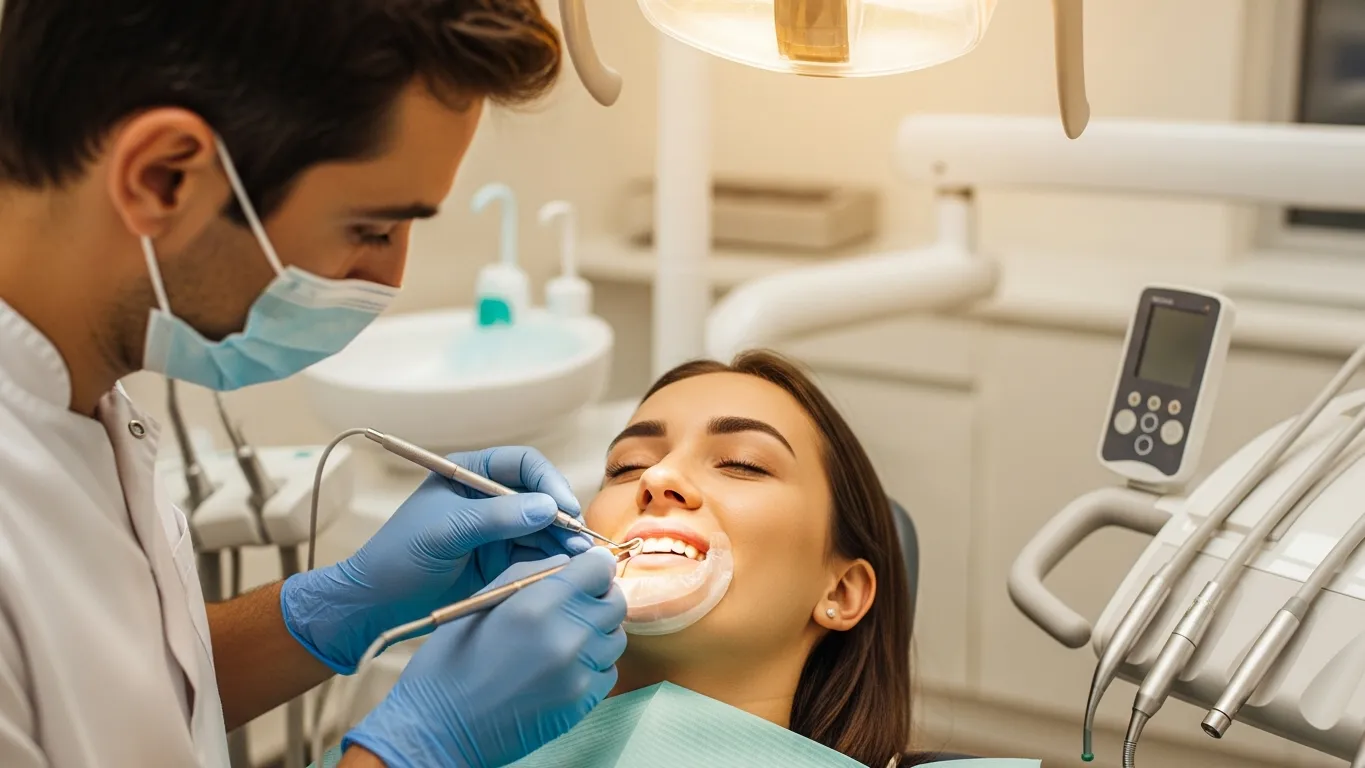
The beauty of dental bonding is its simplicity and speed. The entire process is typically completed in a single appointment lasting one to two hours, depending on how many teeth are involved.
Step 1: Shade Selection and Consultation
We start by taking photographs to assess the color, shape, and overall goals for your smile. Using a shade guide, we select the perfect composite resin color that blends with your surrounding teeth. If we are looking for a cosmetic enhancement, we will also discuss shape and harmony for your face.
Step 2: Tooth Preparation
Next, the tooth surface is gently conditioned with a mild etching solution. This creates a slightly rough texture that helps the resin bond securely to your enamel. In most cases, this step is painless and does not require anesthesia.
Step 3: Application and Sculpting
The composite resin is carefully applied in layers. Your dentist sculpts and shapes the material by hand, building up the tooth to create the desired look. Most of the time, a combination of different composites will be used to create a harmony of shades, translucency, and natural appearance. Teeth are not just white; they are combinations of many different colors.
Step 4: Curing and Polishing
A special UV curing light hardens each layer of resin. After the composite is applied, contoured, and adjusted to your bite, a series of polishers are used to create a lifelike luster that mimics natural tooth enamel.
You can return to your normal activities right away after the appointment. This efficiency is one of the biggest reasons patients in the Los Angeles area choose bonding for their smile enhancements.
Who Is a Good Candidate for Dental Bonding?
Cosmetic dental bonding is a remarkably versatile treatment, but it performs best for specific types of corrections. You are likely a great candidate if you are looking to:
- Fix a small chip or crack in a visible tooth
- Close a minor gap between teeth
- Cover a stubborn stain or area of discoloration that whitening cannot resolve
- Reshape a slightly uneven or misshapen tooth
- Protect a small area of exposed tooth root caused by gum recession
Bonding is especially popular among patients in Brentwood and Santa Monica who want to improve their smile before important events, professional photos, or social occasions, since results are immediate and the procedure can often be completed during a lunch break.
For patients whose needs extend beyond what bonding can accomplish, such as correcting major misalignment or replacing a large amount of missing tooth structure, we may recommend treatments like porcelain veneers, dental crowns, or clear aligners as a more suitable long-term solution.
Common Uses and Benefits of Cosmetic Dental Bonding
There are many reasons cosmetic dental bonding is one of the most popular cosmetic treatments we offer at our Brentwood practice. Here is a closer look at its most common applications and the benefits they bring.
Chipped Tooth Repair
A chipped front tooth is one of the most common reasons patients come to us for composite bonding. The resin fills and reshapes the damaged area, restoring the tooth to its original form so the repair is virtually invisible.
Gap Closure
For small, cosmetic gaps between teeth, dental bonding offers a quick, non-orthodontic solution that can be completed in a single appointment. This is a popular alternative for patients who do not want to commit to braces or aligners for minor spacing issues.
Stain and Discoloration Coverage
Certain deep stains caused by medications, fluorosis, or aging do not respond to teeth whitening treatments. Bonding can be layered over the tooth to mask discoloration and create a brighter, more uniform appearance across your smile.
Tooth Reshaping
If a tooth is slightly shorter, more pointed, or uneven compared to its neighbors, bonding can be used to sculpt it into a more harmonious shape. This improves the overall balance and symmetry of your smile.
Key Benefits at a Glance
- Minimally invasive with little to no removal of natural tooth structure
- No anesthesia required in most cases
- Completed in a single visit, typically one to two hours
- More affordable than porcelain veneers or dental crowns
- Immediate, natural-looking results that blend seamlessly with your smile
- Fully reversible, unlike veneers that require permanent enamel removal
How Does Cosmetic Dental Bonding Compare to Veneers?
When exploring ways to enhance your smile, the conversation often comes down to two popular options: composite bonding and porcelain veneers. Both can produce beautiful results, but they differ significantly in their approach, commitment, and longevity.
Think of bonding as a conservative, same-day enhancement. Composite resin is applied and sculpted directly onto your existing tooth with minimal preparation. Veneers, on the other hand, are custom-made porcelain shells permanently bonded to the front of your teeth after a thin layer of enamel is removed.
| Feature | Cosmetic Dental Bonding | Porcelain Veneers |
|---|---|---|
| Treatment Time | 1-2 hours, single visit | 2-5 visits over several weeks |
| Tooth Preparation | Minimal to none | Thin layer of enamel removed |
| Durability | 5-10 years | 10-20 years |
| Stain Resistance | Moderate | Excellent |
| Reversibility | Fully reversible | Irreversible |
| Best For | Minor chips, gaps, stains | Dramatic smile transformations |
At Primary Integrative Dentistry, we always start with the most conservative option. For many patients in Brentwood and the greater Los Angeles area, cosmetic bonding is the perfect first step, allowing you to enhance your smile today while keeping all options open for the future.
How Should You Care for Your Bonded Teeth?
The longevity of your cosmetic dental bonding depends largely on how you care for it. With the right habits, your bonding can look great for many years. Here are the most important things to keep in mind.
Avoid biting hard objects. Ice, hard candy, pen caps, and fingernails can chip the composite resin. Be especially careful with bonded front teeth when eating foods like apples or crusty bread.
Be mindful of staining foods and drinks. Coffee, tea, red wine, and dark berries can discolor the resin over time. Using a straw for beverages and rinsing with water after consuming staining foods can help preserve the color.
Maintain excellent oral hygiene. Brush twice daily with a non-abrasive toothpaste and floss daily. Regular professional cleanings are essential for keeping both your bonding and your natural teeth in top condition.
Wear a night guard if recommended. If you grind your teeth at night, a custom night guard will protect your bonding from excessive wear and prevent fractures.
Keep up with regular dental visits. Routine checkups allow your dentist to monitor the condition of your bonding and address any minor issues before they become bigger problems.
With proper care, dental bonding typically lasts between 5 and 10 years, depending on its location in the mouth, your bite, and your individual habits. When it is time for a touch-up, the process is quick and straightforward.
Why Choose Primary Integrative Dentistry for Cosmetic Dental Bonding in Brentwood?
At Primary Integrative Dentistry, cosmetic dental bonding is more than a quick fix. Led by Dr. Tzur Gabi, a board-certified prosthodontist with advanced training in smile design and restorative dentistry, our approach combines artistry with precision.
As a prosthodontist, Dr. Gabi has three additional years of specialized training beyond dental school, focusing specifically on the aesthetics and function of teeth. This expertise means your bonding will not just look natural; it will be designed to work in harmony with your bite, facial structure, and long-term oral health.
Our Brentwood office uses advanced 3D diagnostics and digital imaging to plan every cosmetic procedure with precision. We also use biocompatible, high-quality composite materials that are carefully selected for both safety and beauty.
Whether you need a single chipped tooth repaired or want to enhance your entire smile, we take a personalized approach to ensure your results exceed your expectations.
Frequently Asked Questions About Cosmetic Dental Bonding
How long does cosmetic dental bonding last?
With proper care, cosmetic dental bonding typically lasts between 5 and 10 years. The lifespan depends on the location of the bonding, your oral hygiene habits, and whether you grind your teeth. Regular dental checkups help extend the life of your bonding by catching small issues early.
Does dental bonding hurt?
In most cases, dental bonding is completely painless and does not require anesthesia. The procedure involves adding material to your tooth rather than drilling or removing structure. Some patients may feel slight sensitivity during the conditioning step, but overall discomfort is minimal.
Can cosmetic dental bonding stain?
Yes, composite resin can absorb stains over time, particularly from coffee, tea, red wine, and tobacco. However, with mindful habits like rinsing after consuming staining substances and maintaining regular dental cleanings, you can keep your bonding looking bright for years.
How much does cosmetic dental bonding cost?
The cost of cosmetic dental bonding varies depending on the number of teeth treated and the complexity of the procedure. Generally, bonding is one of the most affordable cosmetic dentistry options available. During your consultation at our Brentwood office, we will provide a personalized treatment plan and discuss all financial options.
Is dental bonding covered by insurance?
Insurance typically does not cover purely cosmetic procedures. However, if bonding is being used to repair a chipped or broken tooth, some dental insurance plans may cover a portion of the cost. Our team can help you navigate your insurance benefits and explore payment options.
What is the difference between dental bonding and a filling?
While both use composite resin, a dental filling is a restorative procedure designed to repair decay damage. Cosmetic dental bonding is an aesthetic treatment focused on improving the appearance of healthy teeth. The materials and techniques used are similar, but the goals and applications differ.
Take the Next Step Toward Your Best Smile
If you have been living with a chipped tooth, a small gap, or discoloration that whitening cannot fix, cosmetic dental bonding may be the perfect solution. This quick, conservative procedure can transform your smile in a single visit at our Brentwood, Los Angeles office.
