
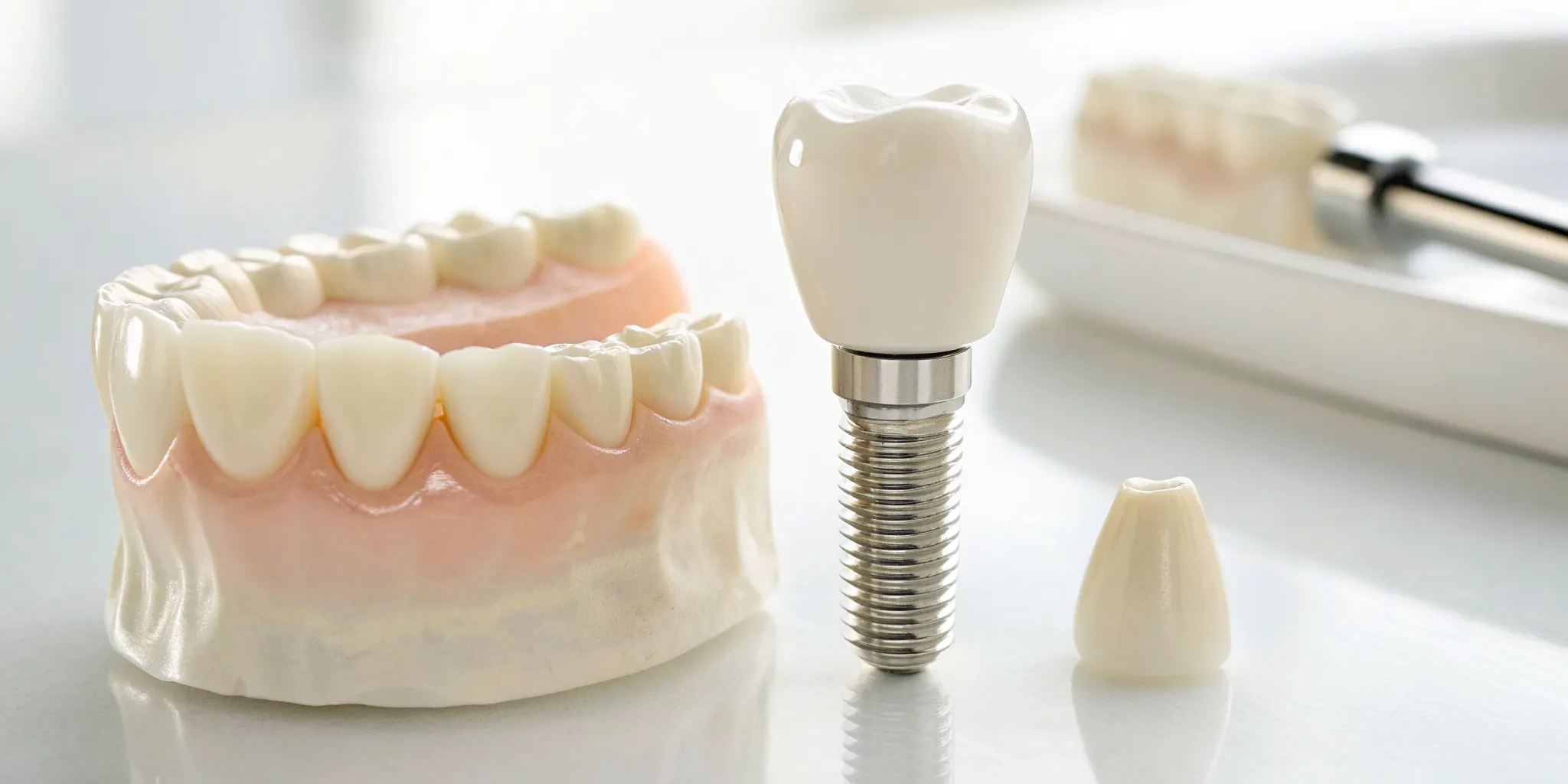
You track your sleep, prioritize clean eating, and understand the importance of reducing inflammation. You’re already making conscious choices for your body every single day. So, when it comes to your dental health, why should your standards be any different? The materials used in your mouth matter. This is where metal free dental implants come in. They are the clear choice for anyone who views their oral health as an integral part of their total wellness journey. Made from biocompatible zirconia, they restore your smile without adding to your body’s metal load. Let’s explore why this choice is a powerful extension of a health-forward lifestyle.
Key Takeaways
- Prioritize Your Whole-Body Health: Metal-free implants are made from zirconia, a highly biocompatible ceramic that works in harmony with your body. This makes them an excellent choice if you have metal sensitivities or simply want to reduce the overall metal load on your system.
- Get a Natural Look and Healthier Gums: Zirconia’s white, tooth-colored material ensures your implant will look completely natural, with no risk of a gray line appearing at the gumline. Its smooth surface also makes it harder for plaque to stick, which supports better long-term gum health.
- Your Dentist’s Expertise is Key: The success of a ceramic implant depends heavily on the skill of the practitioner. Placing zirconia requires specialized training and precision, so it’s important to choose a dentist with specific experience in this advanced treatment.
What Are Metal-Free Dental Implants?
When you think of a dental implant, you might picture a small metal screw. For years, that’s exactly what they were. But just as dentistry has evolved, so have the materials we use. Metal-free dental implants are exactly what they sound like: a modern alternative to traditional implants that don’t contain any metal. Instead, they are crafted from advanced, biocompatible materials designed to work in harmony with your body.
This option is a cornerstone of wholistic dentistry, where the goal is to support your oral health without introducing materials that could potentially disrupt your overall wellness. Think of it as choosing the most natural and body-friendly path to restoring your smile. These implants offer a strong, durable, and aesthetically pleasing solution for replacing missing teeth, all while aligning with a health-conscious lifestyle. Let’s break down what sets them apart.
Metal-Free vs. Traditional Titanium Implants
The main difference comes down to the material. Traditional dental implants are made from a titanium alloy, which means titanium is mixed with other metals like nickel or aluminum. While strong and widely used, they are still metal. In contrast, metal-free implants are typically made from zirconia, a type of high-strength ceramic. This makes them 100% metal-free. From a visual standpoint, this difference matters. Zirconia is white and tooth-colored, so it won’t create a dark or gray line at your gumline, even if your gums are thin or recede over time. This ensures your final restoration looks completely natural.
Meet Zirconia: The Go-To Material
So, what exactly is this go-to material? Zirconia is a type of ceramic that is exceptionally strong and durable. It’s become a preferred material in biological dentistry because it’s incredibly biocompatible, meaning your body accepts it easily without triggering an immune response. In fact, there are no known allergies to zirconia, making it a safe and reliable choice for almost everyone. Because it’s a ceramic, zirconia doesn’t corrode or break down in the wet environment of your mouth. It integrates beautifully with your jawbone, creating a stable foundation for your new tooth.
Are They as Strong as Metal?
This is one of the most common questions we hear, and the answer is a resounding yes. Zirconia is an incredibly robust material, engineered to withstand the powerful forces of biting and chewing. Studies and clinical use have shown that zirconia implants are very strong and long-lasting, with an extremely low fracture rate of around 0.2%. Unlike some metals, zirconia is resistant to corrosion, so it won’t degrade over time. You can feel confident that you’re choosing a solution that is not only gentle on your body but also built to last.
The Benefits of Choosing Metal-Free Implants
When you’re thinking about replacing a tooth, the goal is to find a solution that not only looks great but also works in harmony with your body. Metal-free implants, typically made from a ceramic material called zirconia, offer some compelling advantages that align perfectly with a health-forward lifestyle. They go beyond just filling a space in your smile; they support your body’s overall wellness from the ground up. Let’s look at what makes them a standout choice.
A Better Match for Your Body (and Fewer Allergies)
One of the biggest draws of zirconia implants is their biocompatibility. Zirconia is a bioinert ceramic, which is a clinical way of saying your body’s immune system is unlikely to react to it. For anyone with metal sensitivities, allergies, or autoimmune conditions, this is a game-changer. Unlike titanium, which can sometimes release metal ions into the body, zirconia is hypoallergenic and doesn’t corrode. Choosing a material that your body accepts so readily means less risk of inflammation or an immune response, making it a foundational part of a truly biological approach to dentistry.
A More Natural-Looking Smile
Aesthetics matter, and metal-free implants deliver a beautiful, natural-looking result. Because zirconia is a tooth-colored white material, it mimics the look of a natural tooth root. This completely eliminates the risk of a dark, gray line showing through your gums, which can sometimes happen with titanium implants, especially if you have thin gum tissue. The result is a seamless smile where your implant crown blends in perfectly with your surrounding teeth. You get a strong, functional tooth replacement that looks and feels just like your own.
Healthier Gums and Less Plaque Buildup
Your gum health is critical to the long-term success of any dental implant. Studies show that zirconia’s smooth ceramic surface is less friendly to plaque and bacteria compared to titanium. Less plaque buildup means a lower risk of gum inflammation and peri-implantitis, a condition similar to gum disease that can affect implants. By promoting healthier soft tissue, zirconia implants create a better seal at the gumline, protecting the underlying bone and supporting lasting oral health. This focus on gum wellness is a key part of maintaining the mouth-body connection.
How They Align with a Wholistic Health Philosophy
For many people, choosing a metal-free dental implant is about more than just a tooth. It’s a conscious decision that reflects a commitment to total-body wellness. Opting for a biocompatible, non-metallic material reduces the overall load of foreign substances in your body. This choice aligns with a proactive health philosophy that seeks to identify and address the root causes of health issues, not just manage symptoms. It’s a perfect fit for anyone looking for a solution that honors the intricate connection between oral health and systemic well-being.
What Are the Potential Downsides?
As with any medical treatment, making an informed choice is the best choice. While metal-free implants are an incredible option that aligns with a wholistic health philosophy, it’s important to have a clear and complete picture before moving forward. Understanding the potential challenges helps you ask the right questions and partner with your dental team to ensure the best possible outcome. Think of this not as a list of reasons to say no, but as a guide to help you say yes with confidence.
We believe that true wellness comes from being an active participant in your own health journey. That starts with open, honest conversations about your care. Let’s walk through a few considerations together so you can feel fully prepared.
Understanding the Fracture Risk
Zirconia is an incredibly strong material, but like other high-tech ceramics, it’s also more brittle than metal. This means that under very specific circumstances, a zirconia implant could be prone to fracture. This risk is highest for implants with a smaller diameter or if the implant needs to be adjusted by grinding it down during the placement procedure.
While fractures are not common, this material property highlights why the dentist’s technique is so critical. An experienced practitioner will use advanced 3-D scanning to plan the procedure precisely, selecting the perfect implant size and position to avoid unnecessary stress on the material. This careful planning is key to minimizing risk and ensuring a durable, long-lasting result.
The Cost Factor
It’s true that metal-free dental implants typically represent a higher initial investment than their titanium counterparts. This difference in cost comes down to two main factors: the materials and the manufacturing process. Zirconia is a specialized, medical-grade ceramic that costs more to source and mill into a precision implant. The technology and expertise required to produce and place these implants also contribute to the overall cost.
When considering the price, it helps to view it as an investment in your long-term, whole-body health. You’re choosing a highly biocompatible material that reduces the metal load on your body and supports a healthier oral environment. We can always discuss specific costs and payment options during your personal consultation.
What the Long-Term Research Says
If you look at the volume of clinical studies, you’ll find that titanium implants have a much longer track record. They’ve been the industry standard for decades, so there is naturally more long-term data available. Zirconia, while growing in popularity within dentistry, is the newer option of the two.
However, it’s important to know that zirconia isn’t new to medicine; it has been used successfully for years in procedures like hip replacements because of its strength and biocompatibility. The body of dental research is expanding every year, consistently showing excellent success rates and positive outcomes for zirconia implants. As a practice committed to evidence-based care, we continuously review the latest findings to ensure we’re offering the most reliable treatments.
Finding an Experienced Dentist
The success of a metal-free dental implant depends heavily on the skill of the person placing it. Placing a zirconia implant is not the same as placing a titanium one; it requires specialized training and a deep understanding of the material’s unique properties. Because zirconia is less forgiving than titanium, precision is everything.
Choosing a biological dentist who specializes in zirconia implants is essential for a successful outcome, especially for more complex cases like replacing front teeth or planning a full-mouth reconstruction. When you meet with a potential provider, don’t hesitate to ask about their specific experience and training with ceramic implants. The right practitioner will have the expertise to plan and execute your procedure flawlessly.
Are Metal-Free Implants Right for You?
Deciding on the right dental implant is a big decision, and it’s about more than just filling a gap in your smile. It’s about choosing a solution that aligns with your health philosophy and personal goals. Metal-free implants are an excellent option for many people, but the best way to know for sure is to consider a few key factors about your health, body, and what you want to achieve. Let’s walk through what makes someone a great candidate for this modern, biocompatible solution.
Who Is a Good Candidate?
If you’re looking for a way to replace one or more missing teeth, you’re already in the right place. Metal-free implants are designed for anyone who wants a replacement that looks, feels, and functions just like a natural tooth. They are an especially strong choice for individuals who are health-conscious and prefer to use materials that work in harmony with the body. Whether you’ve recently lost a tooth or have been living with a gap for a while, a zirconia implant can restore your smile and chewing ability without introducing metal into your system. The ideal candidate is someone with good overall and oral health who is committed to a solution that supports their total well-being.
Considering Metal Sensitivities and Your Health History
One of the most significant advantages of zirconia implants is their biocompatibility. This simply means they are highly unlikely to cause an allergic reaction or sensitivity. If you have a known allergy to metals like titanium, nickel, or cobalt, or if you have a history of autoimmune conditions, a metal-free dental implant is often the safest and most predictable choice. This approach is a core part of wholistic dentistry, which focuses on using materials that won’t place an unnecessary burden on your immune system. By choosing a material your body can easily accept, you’re not just restoring your smile; you’re making a choice that supports your systemic health.
The Role of Bone Health in Your Decision
For any dental implant to be successful, it needs a solid foundation. This means having enough healthy jawbone to anchor the implant securely. The implant fuses directly with your bone over a few months in a process called osseointegration. Before moving forward, we conduct a thorough evaluation using advanced 3-D scanning to get a precise picture of your bone density and structure. This ensures you have the necessary support for a stable, long-lasting result. If your bone volume is low, other procedures may be recommended to prepare the site. Your bone health is the critical starting point for a successful implant journey.
What Are Your Smile Goals?
Your vision for your smile is a huge part of the equation. A major aesthetic benefit of zirconia is that it’s naturally white, just like a tooth root. This means you’ll never have to worry about a dark metal line showing through at your gumline, which can sometimes happen with titanium implants, especially if you have thin gum tissue. The result is a seamless, incredibly natural-looking smile where the implant is indistinguishable from your other teeth. If your goal is to achieve a beautiful, confident smile that looks completely authentic from every angle, the tooth-colored nature of zirconia makes it an outstanding choice.
How Metal-Free Implants Support Your Total Wellness
Choosing a dental implant is about more than filling a gap in your smile; it’s a decision that affects your entire body. At Primary, we view your oral health as a direct window into your overall wellness. That’s why we carefully consider the materials we use, ensuring they work in harmony with your body. Metal-free implants are a perfect example of this philosophy, offering a solution that supports your health from the inside out. By opting for biocompatible materials, you’re making a conscious choice for your long-term well-being, not just restoring a tooth.
The Mouth-Body Connection: A Deeper Look
Everything we place in our mouths has the potential to interact with the rest of our bodies. This is the core principle of the mouth-body connection. Metal-free implants, made from a ceramic material called zirconia, are bioinert. This means they are incredibly stable and don’t react with your body’s tissues. Unlike some metals that can potentially cause sensitivity or inflammation, zirconia is exceptionally biocompatible, or “body-friendly.” Your system recognizes it as a neutral material, allowing your jawbone to integrate with it seamlessly without triggering an immune response. This harmonious relationship is key to preventing chronic inflammation and supporting your body’s overall health.
Lessening Your Body’s Metal Load
For many people focused on a clean, wellness-oriented lifestyle, reducing the body’s “metal load” is a priority. This means minimizing exposure to heavy metals and other foreign materials that can accumulate over time. While traditional titanium implants are widely used, choosing a zirconia dental implant offers a 100% metal-free alternative. This can be especially important for individuals with known metal sensitivities, allergies, or autoimmune conditions. By selecting a strong, durable ceramic, you get the function and stability you need to replace a tooth without adding another piece of metal to your system, aligning your dental care with a more natural, whole-body approach.
Why They’re a Cornerstone of Biological Dentistry
Biological dentistry is all about using the most biocompatible materials and least invasive techniques available. Zirconia implants fit perfectly into this model. Their smooth, non-porous surface is less likely to attract and retain plaque compared to titanium, which can lead to healthier gums and a lower risk of peri-implantitis (inflammation around the implant). Because they are white, they also eliminate the risk of a dark metal line showing through the gums, offering a more natural aesthetic. For these reasons, metal-free implants are a foundational treatment in practices that prioritize how your dental health contributes to your total wellness.
What to Expect from the Treatment Process
Deciding on a dental implant is a big step, and it’s natural to have questions. We believe in making your journey clear and comfortable. From your first consultation to your final smile, here’s a breakdown of what to expect with a metal-free implant.
How to Choose the Right Dentist
The success of your metal-free implant depends on your dentist’s skill. Placing zirconia implants is a precise art, so you’ll want a practitioner with extensive experience who shares your health philosophy. A biological dentist understands how biocompatibility impacts your system. Look for a provider who takes a wholistic dentistry approach, creating a treatment plan that sees you as a whole person and supports your wellness goals.
Your Treatment Plan: From 3D Scans to Final Smile
Your journey begins with an evaluation using advanced 3-D scanning to map your jawbone for precise planning. Next, the zirconia implant is carefully placed. This process can be more intricate than traditional implants, so it’s important to allow for healing. Once the implant has fully integrated with the bone, we attach a custom-made, natural-looking crown to complete your smile.
The Timeline for Recovery and Aftercare
Patience is key during the healing phase, which takes four to six months as the implant fuses with your jawbone (osseointegration). A benefit of many zirconia implants is their one-piece design, often letting you avoid a second surgery. After your procedure, caring for your implant is just like caring for natural teeth. Consistent cleaning is essential to prevent plaque and keep your gums healthy, protecting your long-term investment.
Understanding the Cost and Insurance
Metal-free implants typically cost 10% to 20% more than titanium due to the advanced ceramic material and specialized manufacturing. While the initial investment is higher, many patients see it as a worthwhile expense for a biocompatible solution that aligns with their health values. We recommend discussing insurance coverage and financing options with our team. We’re here to help you understand the full scope of your investment.
Related Articles
- Zirconia Dental Implants: What Are They?
- Quality Dental Implants
- Subperiosteal Implants
- Patient Education
- New Home – Primary Integrative Dentistry
Frequently Asked Questions
How long do metal-free implants last? With the right care, a zirconia implant is designed to last a lifetime. Its long-term success really depends on the same factors that keep your natural teeth healthy: consistent oral hygiene and regular dental check-ups. Think of it as a permanent part of your smile. By brushing and flossing daily and maintaining your professional cleanings, you protect the health of your gums and jawbone, which are the foundation that keeps your implant stable and secure for years to come.
Can I replace an old titanium implant with a new zirconia one? Yes, this is often possible and is a common request from people looking to reduce the amount of metal in their body. The process involves a careful and precise procedure to remove the existing titanium implant while preserving as much healthy bone as possible. After removal, we thoroughly assess the site to ensure it’s ready for a new implant. It’s a detailed process that requires specific expertise, but for many, it’s a worthwhile step in their overall health journey.
Is the procedure for a metal-free implant more difficult than a traditional one? The process isn’t necessarily more difficult, but it does demand a higher level of precision and specialized training. Zirconia is a very strong ceramic, but it behaves differently than metal. The planning phase, using 3-D imaging, is absolutely critical to map out the perfect placement. The actual procedure requires a delicate technique to ensure the implant is placed without any undue stress. This is why it’s so important to work with a dentist who has extensive experience specifically with ceramic implants.
Why don’t all dentists offer zirconia implants? Adopting zirconia implants requires a significant commitment to a different philosophy of care. It involves investing in advanced training, specialized equipment, and a deep understanding of biocompatible materials. Many traditional dental practices are set up to work primarily with titanium, which has a longer history in the field. Dentists who offer metal-free options are typically those who practice with a biological or wholistic focus, prioritizing the connection between your oral health and your total body wellness.
How do I take care of my new implant after the procedure? Caring for your zirconia implant is refreshingly simple because you treat it just like one of your natural teeth. There are no special solutions or complicated routines required. A consistent habit of twice-daily brushing, daily flossing, and regular visits to your dentist for check-ups and cleanings is all it takes. This simple maintenance ensures the gum tissue and bone around the implant stay healthy, which is the key to its long-term stability and success.
